
Hidden Gems of Savonranta
Vuokalan Mill Museum
Saimenen Mill Museum
Piippu hall
Savonranta House
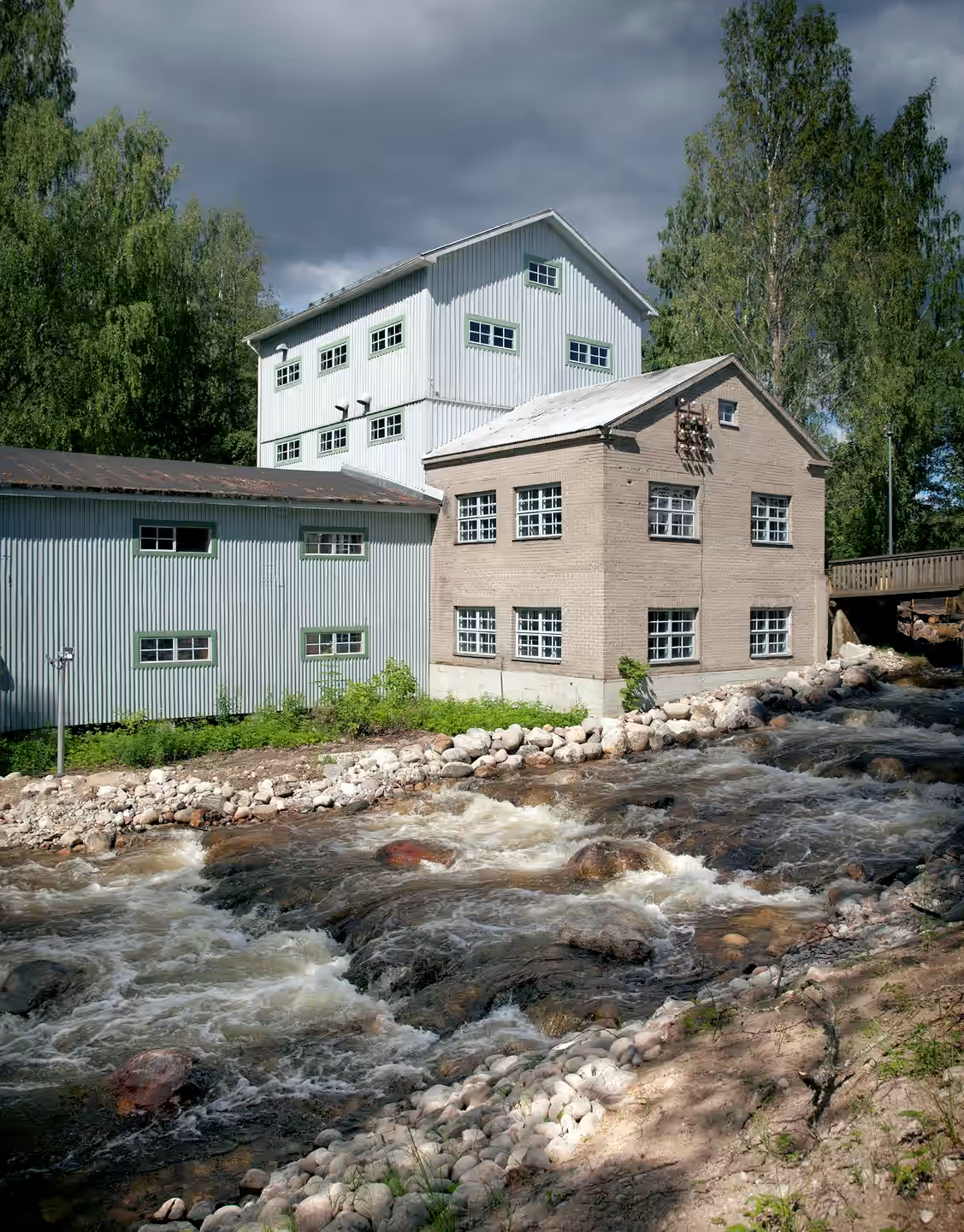
The first mill in Vuokala was established in the 1860s and converted into a steam mill in 1898.
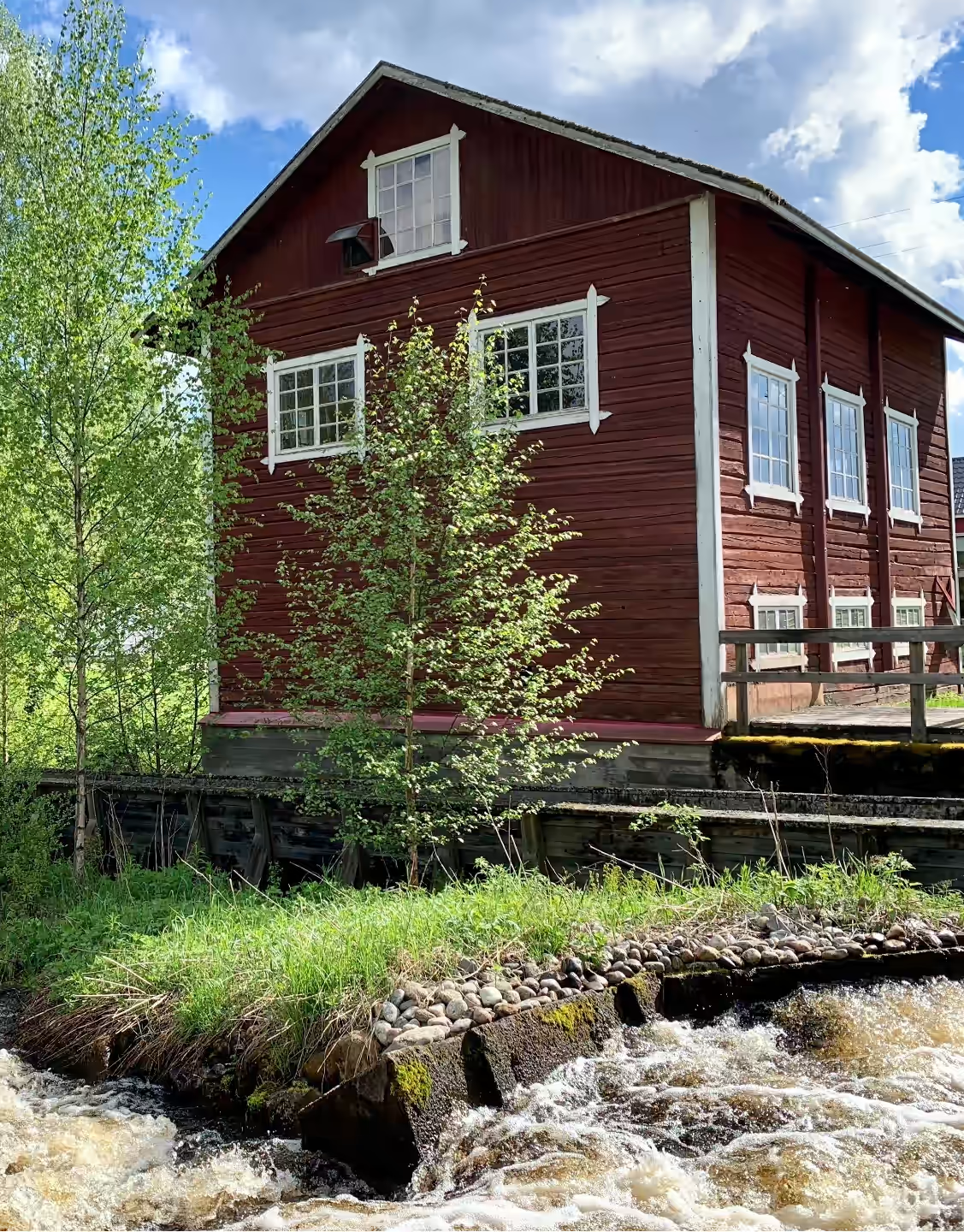
Säimenen Mill is a historic mill in the village of Säimene, surrounded by the peaceful nature of Savonranta.
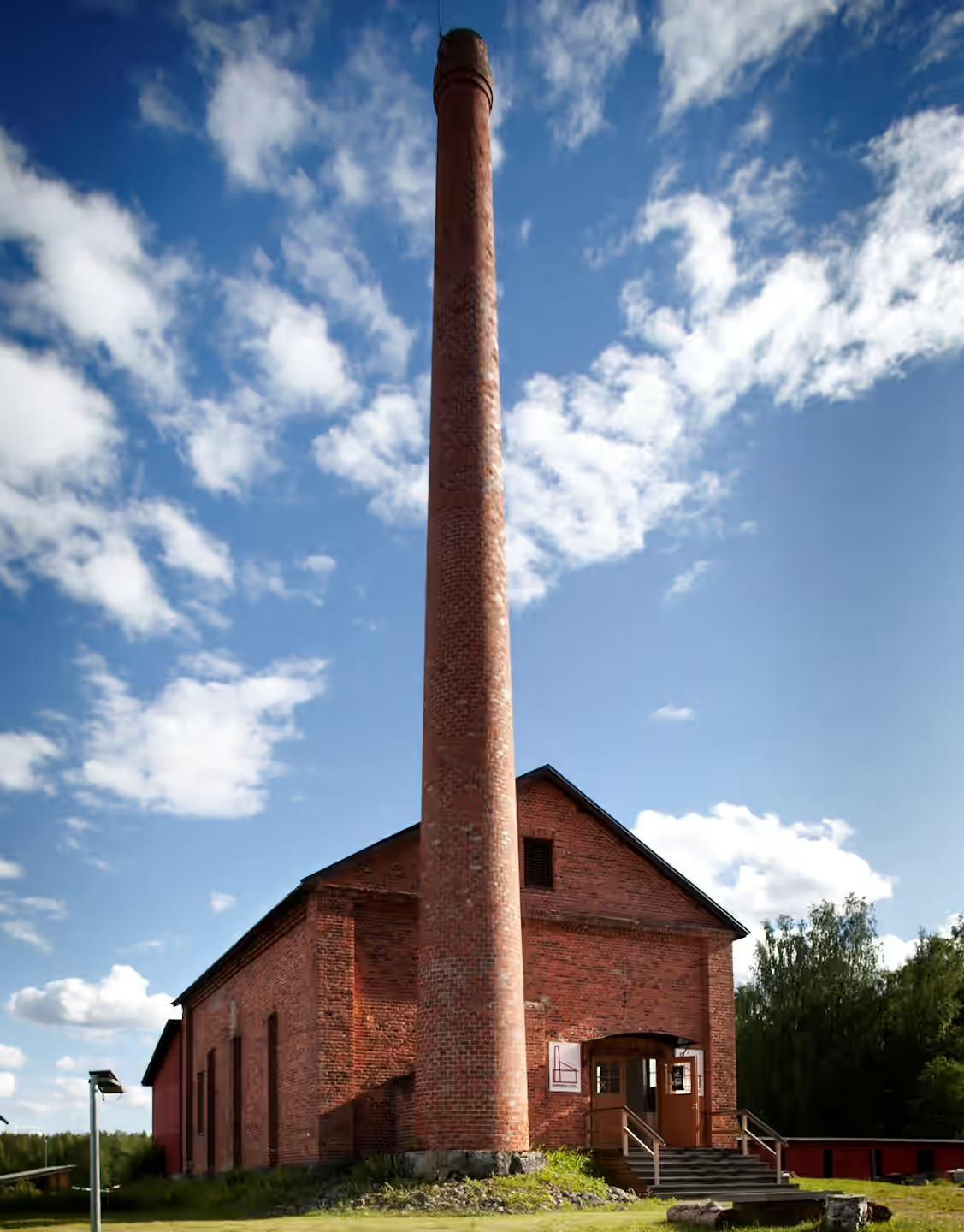
Piippu Hall is a unique venue for arts and culture, with exhibitions held during the summer.
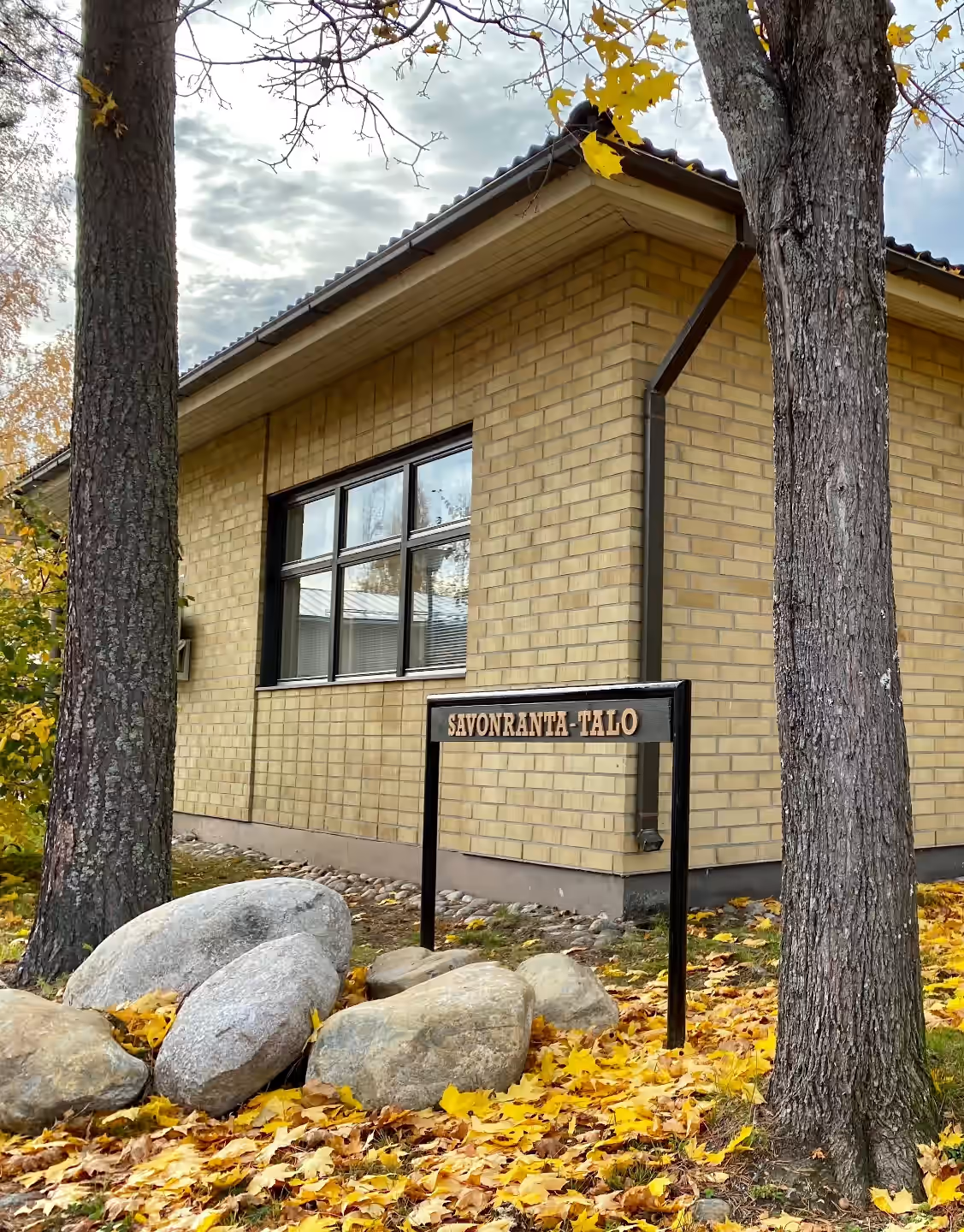
Savonranta House presents exhibitions highlighting the village’s cultural heritage and is open during the summer.
Lake Paasselkä
Orivirta fortress
Pienivirta bridge
Ruusintorppa
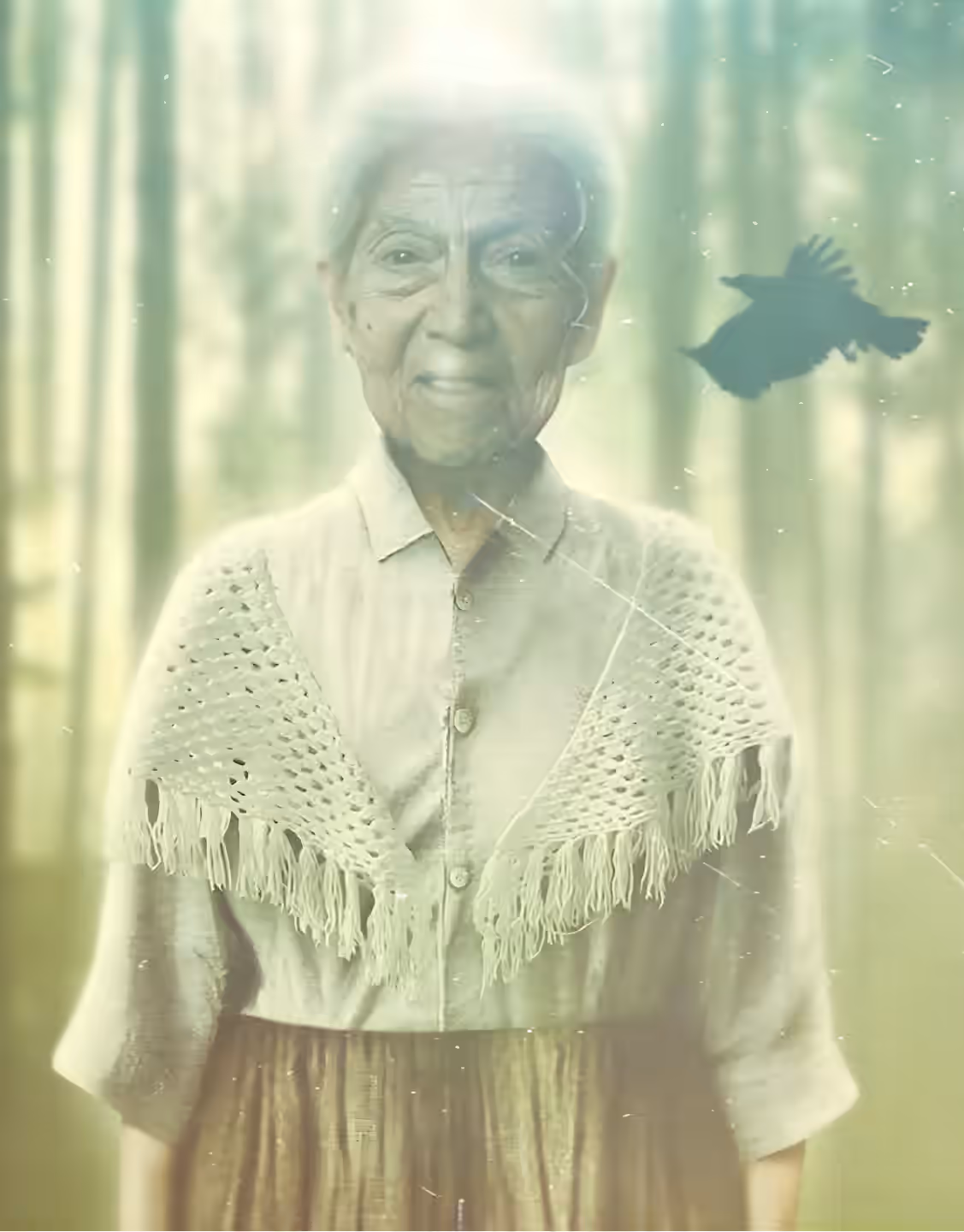
Lake Paasselkä – A Lake Born from a Meteorite
Did you know that Lake Paasselkä was formed by a meteorite impact around 1.8 billion years ago? Mysterious light phenomena have been reported here for centuries – and are still seen today.
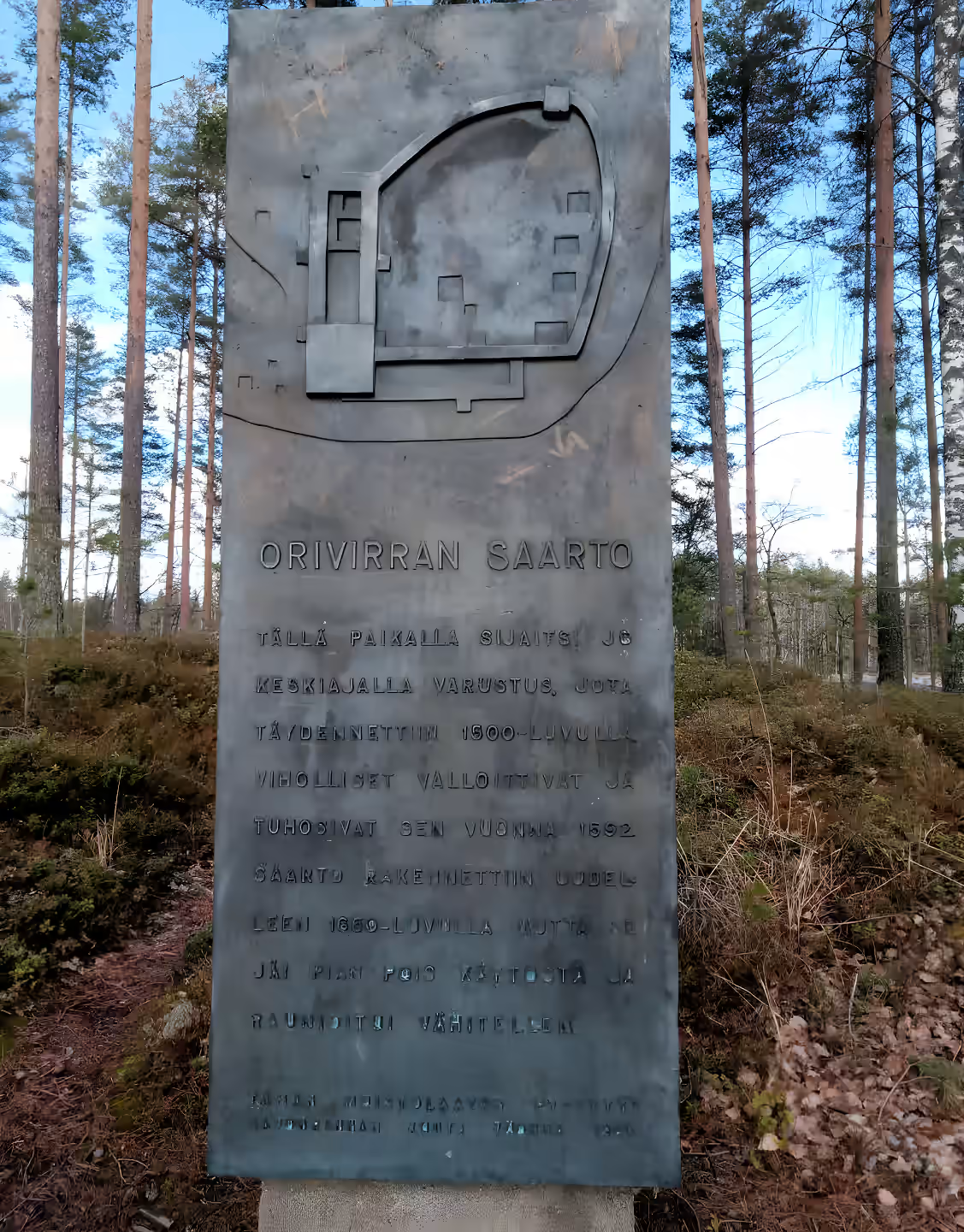
Orivirta Fortress is the ruin of a 16th-century fortress in Savonranta. It is believed to have been built between 1540 and 1550.
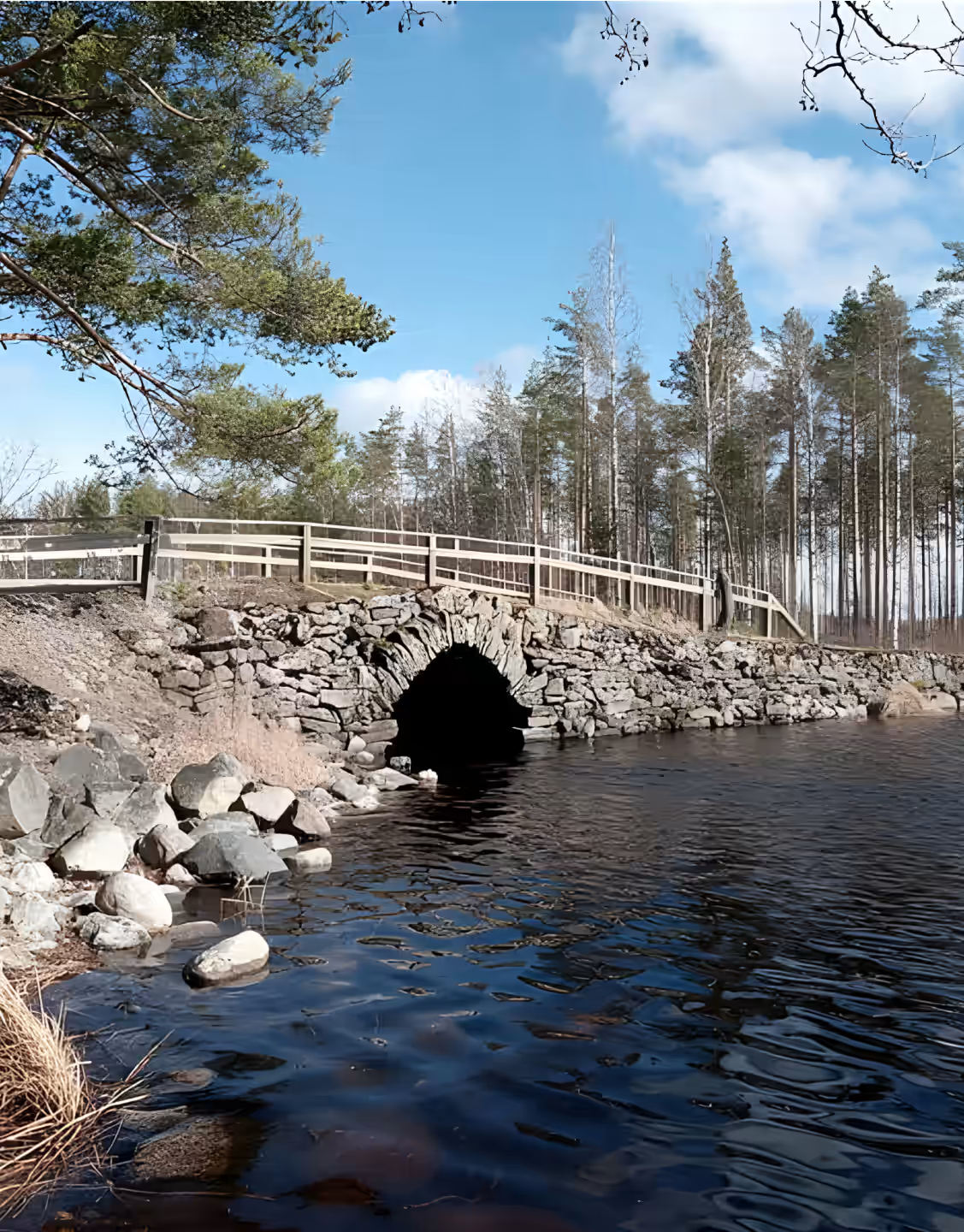
The Pienivirta stone bridge crosses the strait between the mainland and Linnosaari. It is a historic single-arch vaulted stone bridge.
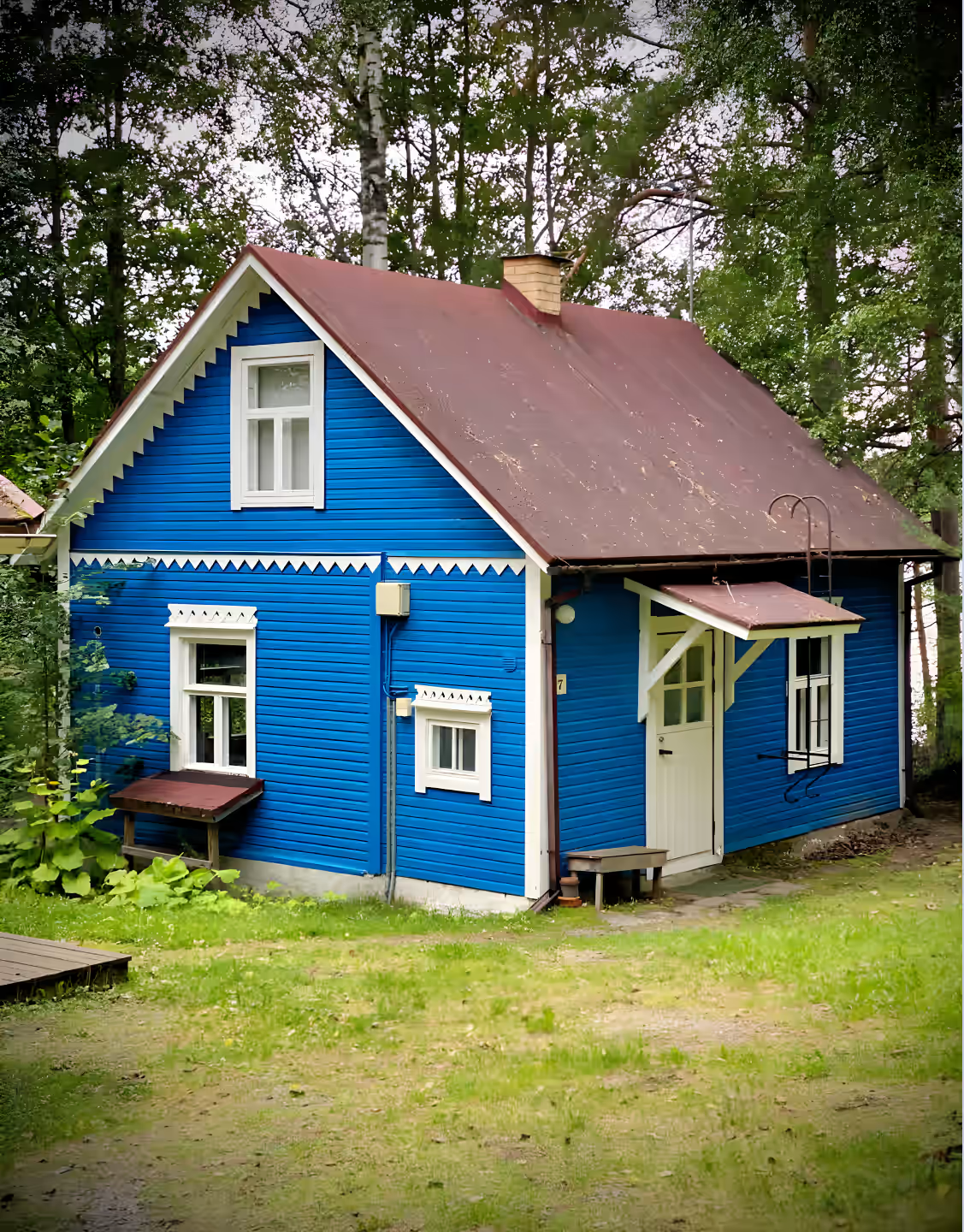
Each year, a writer or poet is invited to live and work at Ruusintorppa during spring and summer, enjoying the peace and quiet of Savonranta.
Kolovesi National Park
Savonranta church
Giant Rock Pyyvesi
Polar Stone
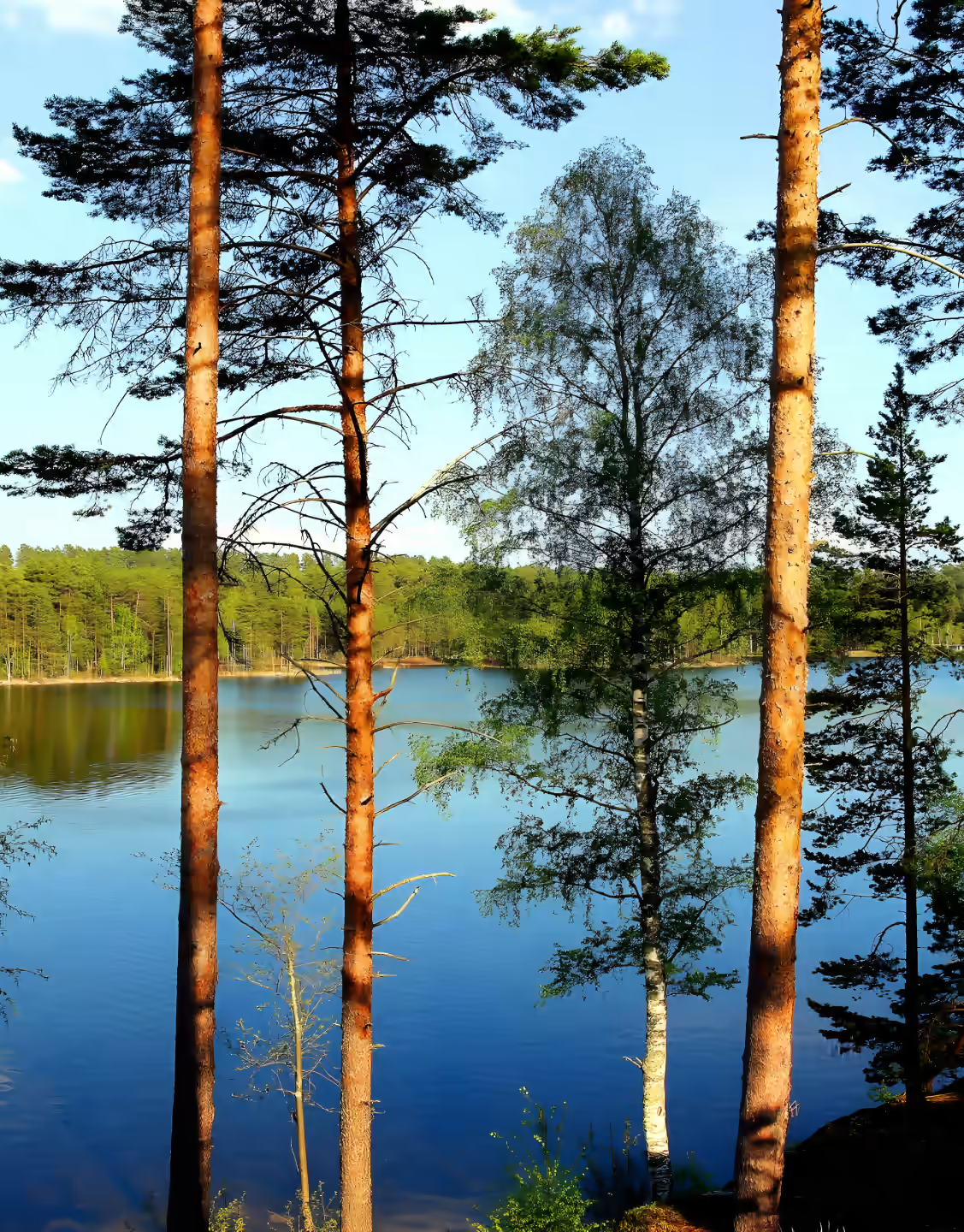
Kolovesi National Park is a paradise for paddlers and hikers, with rocky cliffs rising above narrow lake channels. With a little luck, you might even encounter a curious Saimaa ringed seal.
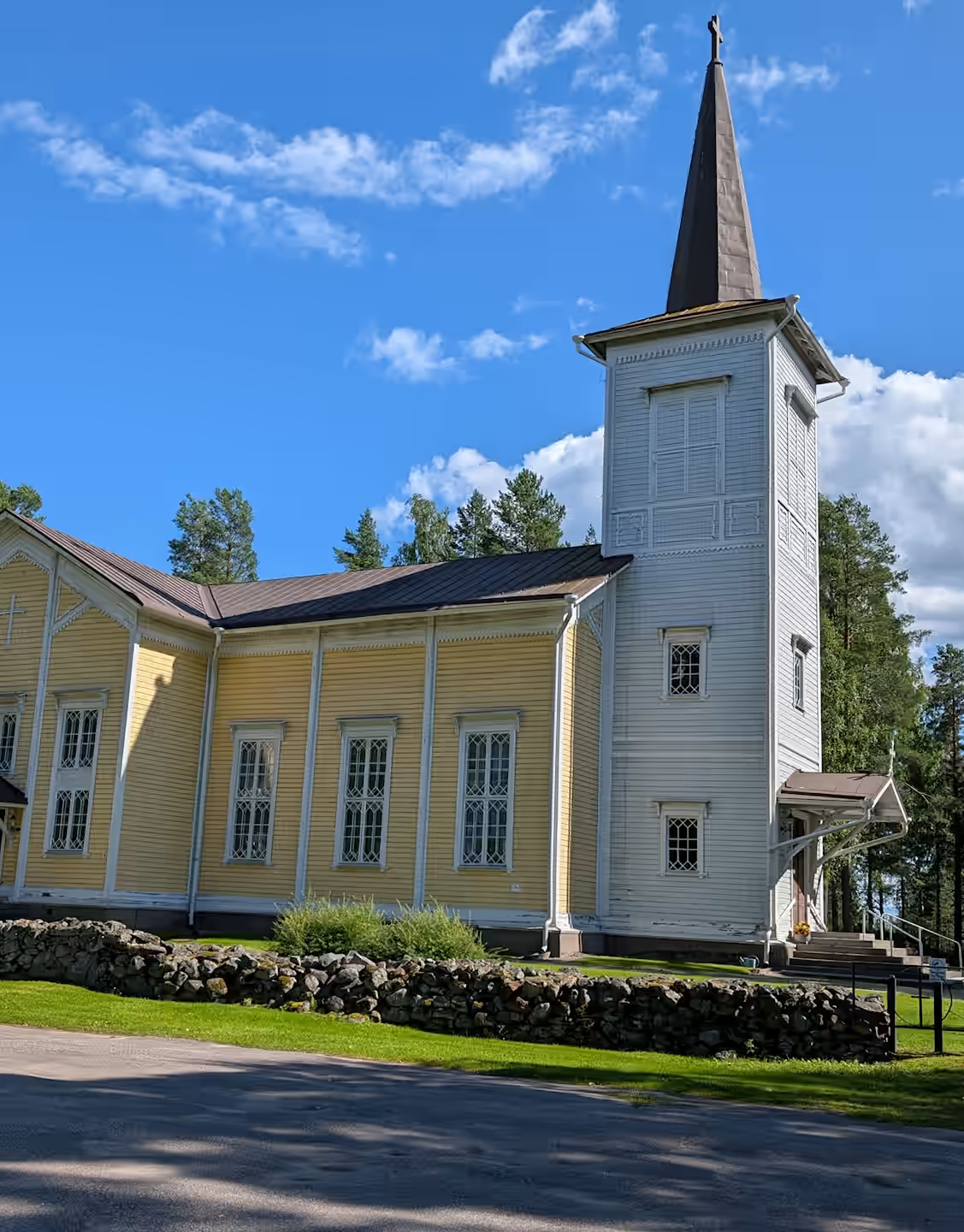
Savonranta Church was designed by architect August Boman and built in 1862–1863. This beautiful wooden church is one of the landmarks of the village.
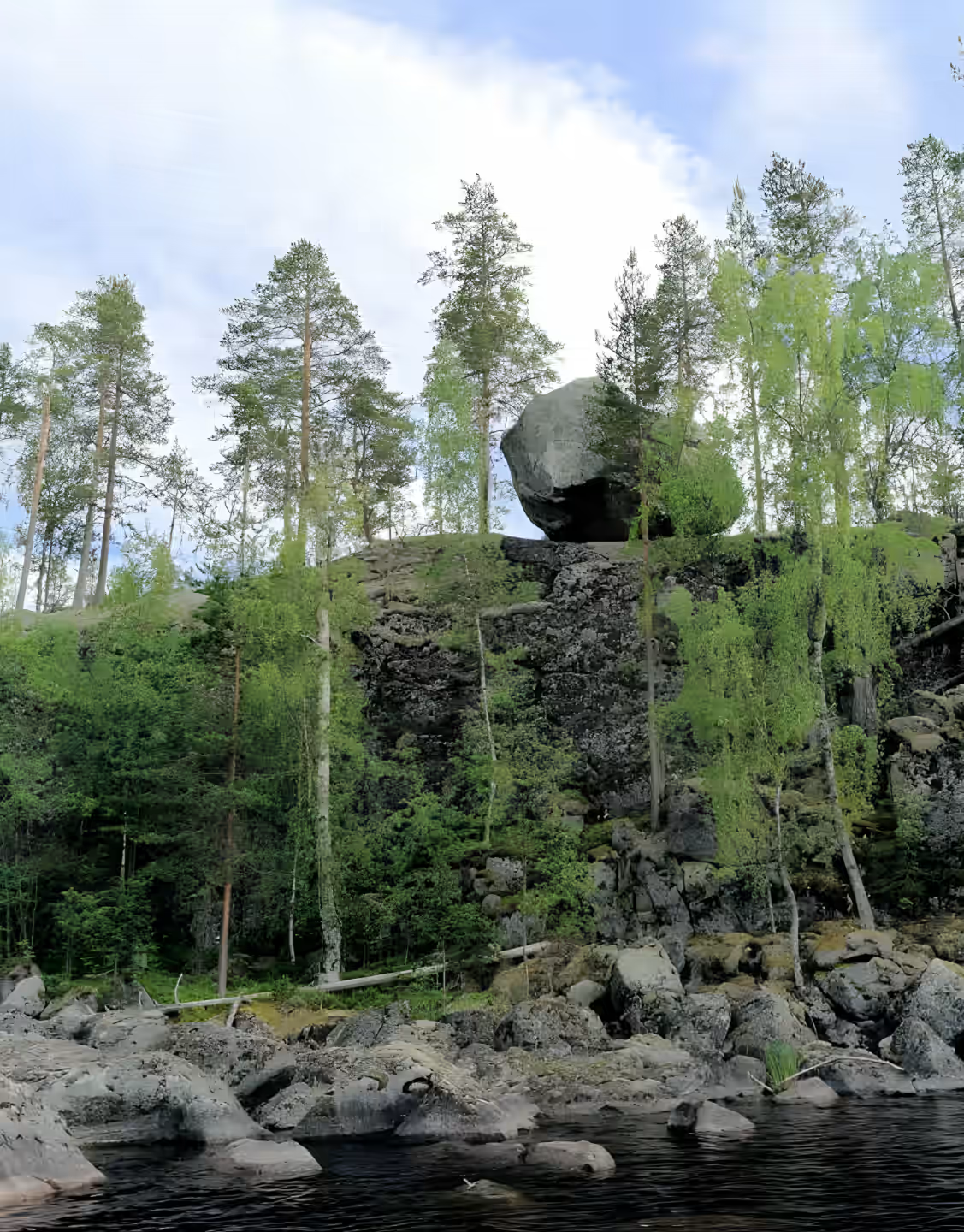
A giant boulder stands high above the shore of Lake Pyyvesi – an impressive natural landmark surrounded by forest and rocky cliffs. Coordinates: 62.166667, 29.166667
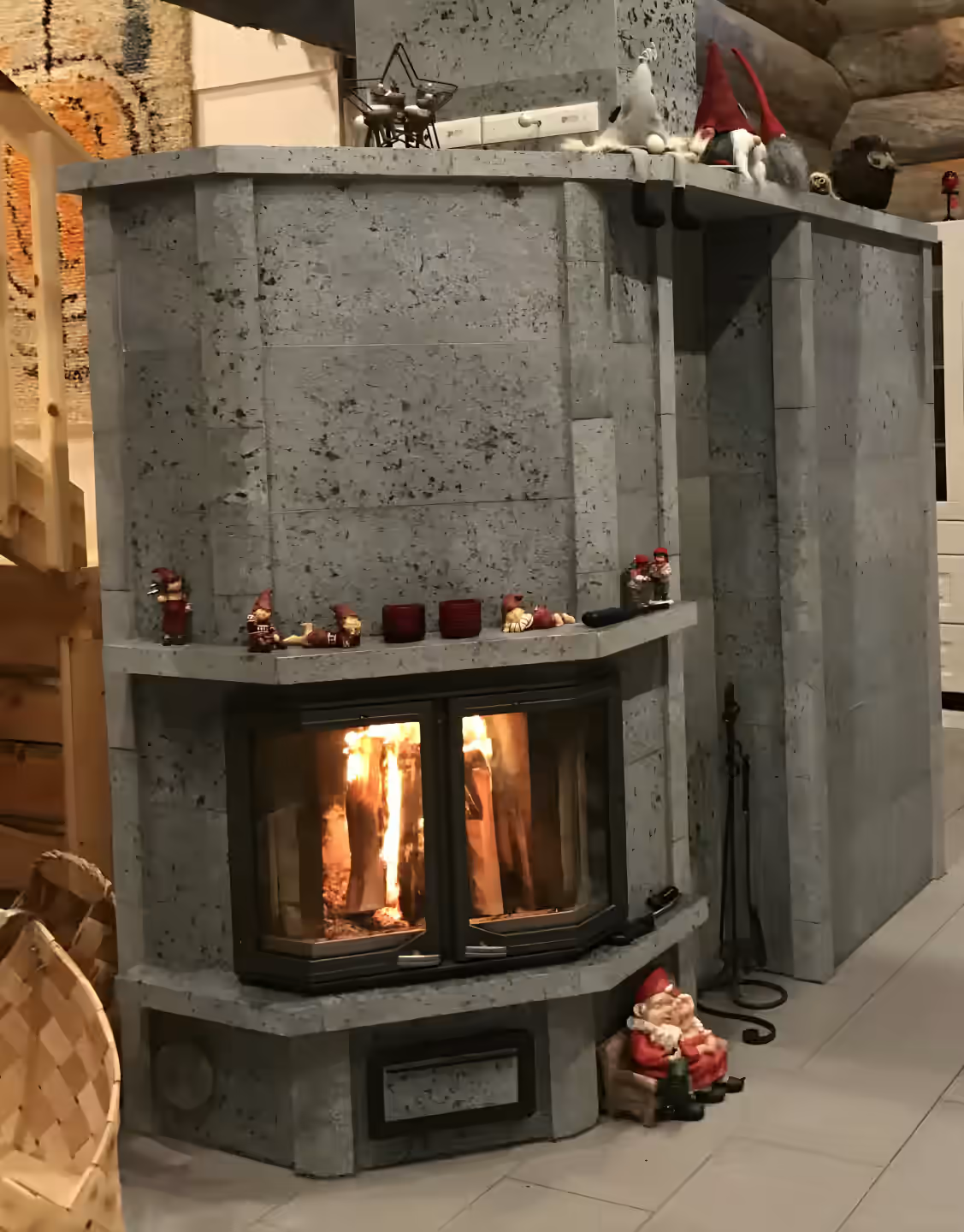
Polar Stone uses local serpentine soapstone, more than 2.5 billion years old, to create fireplaces and other products. The stone is quarried just 8 kilometres from the factory.
Vuokalan Mill Museum
The first mill in Vuokala was established in the 1860s and converted into a steam-powered mill in 1898. In the early 1900s, a hydroelectric power plant was built to generate electricity, making Savonranta one of the first rural municipalities in Finland to have electricity.
The present mill building dates from 1937. During its heyday in the 1950s, four millers worked around the clock, processing grain brought in from neighbouring municipalities. Today, the mill is owned by the Savonranta Development Foundation and maintained by the Savonranta Craftsmen’s Association. Between 2001 and 2003, the building was renovated with support from the Vuokala–Savonranta Fishing Tourism Conditions and Future project.
Visitors can explore the mill’s well-preserved machinery, much of which is still in working condition. The wooden machinery extends over four floors, and grain travels an astonishing four kilometres through the milling process before becoming wheat flour. The hydroelectric power plant ceased operations in 2020, following the restoration of the Vuokala rapids and changes in the profitability of selling electricity to the national grid.
During the summer, the mill also hosts art exhibitions and houses a craft exhibition and shop run by local craftspeople. Visitors can also find information about Kolovesi National Park. A guest harbour and two restaurants are located nearby.
Visitor information
Address: Lamminniementie 6, Savonranta
Opening hours:
-
Tuesday–Friday: 10:00–16:00
-
Saturday (summer only): 10:00–14:00
Contact: Savonranta Craftsmen’s Association
Telephone: 044 990 1357


Saimenen Mill Museum
Säimenen Mill is located in the village of Säimene, near Savonranta. A mill has stood on this site since 1880, while the present building dates from 1937 and remained in operation until 1960. The nearby Säimen River provided the power needed to operate the mill and generate electricity.
In 1978, the Savonranta Society leased the mill from the municipality of Savonranta to establish a museum. Today, the building is owned by the Savonranta Development Foundation. Visitors can explore much of the original wooden milling machinery, along with tools and equipment once used in the mill. The museum also offers a fascinating glimpse into local history, with exhibits covering forestry, logging, agriculture and everyday domestic life.
The museum grounds feature several historic buildings brought here from other parts of the Savonranta area. Next to the mill stands Airaan tupa (Airaa’s Cottage), which illustrates the simple living conditions once common in the region.
Other buildings include a traditional smoke sauna, a blacksmith’s workshop with original tools, and a stable displaying equipment associated with horses and their work. The collections also feature traditional handicrafts, household activities and farming equipment. One of the more recent additions is a restored dairy barn from the 1950s.
Together, these buildings and collections offer visitors a fascinating journey into the rural history and traditions of Savonranta.
Piippu Hall
Piippu Hall (Piippuhalli) is a unique venue for art and cultural events in Savonranta. During the summer, the hall hosts art exhibitions and other cultural activities. The venue is managed by the Cultural Office of the City of Savonlinna.
In the summer of 2021, Piippu Hall hosted a screening of Paasselän Pirut, a documentary by Axel Strachnoy exploring the mysterious light phenomena associated with Lake Paasselkä, an ancient meteorite impact lake.
You can find Piippuhalli on Facebook and Instagram for information about its activities and exhibitions.
Address: Sahakuja 8, 58300 Savonranta


Savonranta House
Savonranta House (Savonranta-talo) is a welcoming community centre where local history, culture and village life come together. During the summer, the house hosts exhibitions showcasing Savonranta’s cultural heritage.
The house is also a meeting place for local residents. A reading circle meets regularly and invites writers from the Ruusintorppa writers’ residency to talk about their work. A meeting room is available for gatherings, meetings and celebrations.
From apples to apple juice
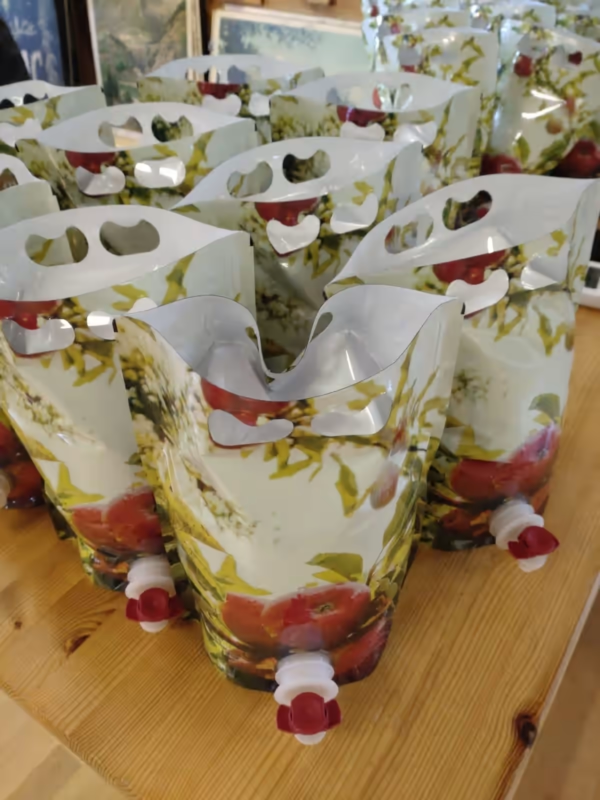
Every autumn, Savonranta House becomes home to the Mehuasema, a community apple-pressing station. Local residents bring in their apples, which are weighed, pressed and pasteurised before the fresh juice is packed into convenient three-litre bags. Residents pay according to the weight of their apples and take their own juice home.
Some residents also donate apples. Volunteers turn these into delicious local apple juice, which is sold at Savonranta House and the Sale supermarket. The proceeds support the local community.
It is a wonderful example of village life in Savonranta, where local traditions, volunteering and community spirit come together.
Information about exhibitions, activities and events is published on the society’s Facebook page.
Address: Lamminniementie 3, 58300 Savonranta

Lake Paasselkä – A Lake Born from a Meteorite
Lake Paasselkä, formerly known as Paasivesi, is one of the most unusual lakes in the Finnish Lakeland. Its name roughly translates as “Stone Lake”, and its almost oval shape sets it apart from the many island-filled lakes of the Saimaa region.
The lake was formed by a massive meteorite impact approximately 1.8 billion years ago, making it one of Finland’s ancient impact craters. Today, Paasselkä forms part of Lake Orivesi and the greater Saimaa lake system.
Unlike most lakes in the region, Paasselkä has virtually no islands. It is also remarkably deep, reaching approximately 75 metres at its deepest point. Its unusual shape and magnetic anomalies led scientists to suspect that it was formed by a meteorite impact. This was finally confirmed through deep drilling in 1999, making Paasselkä the ninth confirmed impact crater in Finland.
But the lake is known for more than its geological history. For centuries, local people have reported mysterious lights appearing above its waters, a phenomenon known as the Paasselkä Devils (Paasselän pirut).
These unexplained lights have become part of the region’s folklore, adding an intriguing touch of mystery to an already extraordinary lake.
Orivirta fortress
Orivirta Fortress – A Forgotten Stronghold
Orivirta Fortress (Orivirran saarto) is the remains of a 16th-century military stronghold near Savonranta. Believed to have been built between 1540 and 1550, the fortress served as an early warning and defensive outpost for Olavinlinna Castle (St. Olaf’s Castle), approximately 50 kilometres to the south.
The fortress had a rectangular stone-built structure measuring approximately 60 by 20 metres, surrounded by an outer defensive area of around 65 by 75 metres. During its active years, it is believed to have housed between 300 and 400 soldiers and was equipped with 5 to 10 cannons.
In 1592, the fortress was destroyed during an attack by Russian and Cossack forces. Although it continued to be used into the early 17th century, it never fully recovered from the destruction.
Today, only traces of the original stone structures remain, together with a memorial stone marking the site. These quiet ruins offer a fascinating glimpse into a time when the waterways and forests of Savonranta formed part of a strategically important frontier region.


Pienivirta stone bridge
Pienivirta Stone Bridge – A Link to the Past
The historic Pienivirta Stone Bridge crosses the narrow strait between the mainland and Linnosaari island. Built from slate, this beautiful single-span arched bridge was part of Savonranta’s first road connection.
The bridge and its surroundings are recognised for their historical and architectural significance and form part of a nationally important built cultural environment in Finland.
Today, the bridge stands as a reminder of Savonranta’s early transport history and the craftsmanship of earlier generations.
Ruusintorppa
Ruusintorppa – A Peaceful Retreat for Writers
Ruusintorppa is a charming writers’ residence in Savonranta, offering a peaceful place for creativity and inspiration. The cottage was donated by author Tauno Yliruus and textile artist Ingeborg Yliruus to the Finnish Cultural Foundation (Suomen Kulttuurirahasto) and has served as a writers’ retreat since spring 2010.
The residence, also known as Kesäkeidas (Summer Oasis), offers writers, poets and translators the opportunity to live and work surrounded by the tranquillity of Finnish nature.
Each year, a resident is selected through an application process and invited to stay during the summer. Away from the distractions of everyday life, they can concentrate on their writing, find new inspiration and enjoy the peaceful surroundings of Savonranta.
Ruusintorppa is a lovely example of how Savonranta’s natural beauty and cultural traditions come together.


Kolovesi National Park
Kolovesi National Park – A Wilderness of Lakes and Forests
Kolovesi National Park is a paradise for paddlers and hikers, where towering rocky cliffs rise above narrow lake channels and peaceful waterways. Part of the vast Lake Saimaa system, this remarkable wilderness offers a maze of sheltered bays, islands and ancient forests.
The park is especially known for its unspoilt nature and tranquillity. Its old-growth forests, some more than a century old, provide a home for a rich variety of wildlife. With a little luck, visitors may even catch a glimpse of the rare Saimaa ringed seal, one of the world’s few freshwater seal populations.
Kolovesi also has a fascinating human history. Ancient rock paintings, created thousands of years ago, can still be found on its steep rock faces. These remarkable traces of the past offer a glimpse into the lives of the people who once travelled and lived along these waterways.
Whether exploring the sheltered waters by canoe or kayak, walking through the forests or simply enjoying the silence, Kolovesi offers an unforgettable experience of Finnish Lakeland at its most peaceful.