The history of Savonranta
Discover the history of a small Finnish village shaped by lakes, forests and generations of local people.
Surrounded by the waters and forests of the Saimaa region, Savonranta has a rich history closely connected to nature, traditional livelihoods and village life.
Over the centuries, farming, fishing, forestry and local industry have shaped the community. Waterways connected people and settlements, while mills, schools and other village institutions became important parts of everyday life.
Today, Savonranta preserves many reminders of its past, from historic buildings and old mill sites to fascinating stories passed down through generations.
Join us on a journey through Savonranta’s history and discover how this small lakeside community developed into the village we know today.
Table of Contents – Go directly to:
The Early History of Savonranta
A landscape shaped by water
Long before modern roads connected the villages of eastern Finland, lakes and waterways played an essential role in travel, trade and everyday life.
The waters surrounding Savonranta provided routes between settlements, while the forests and lakes offered important natural resources. Fishing, hunting and farming gradually became part of life in the region.
Orivirta Fortress – A reminder of troubled times
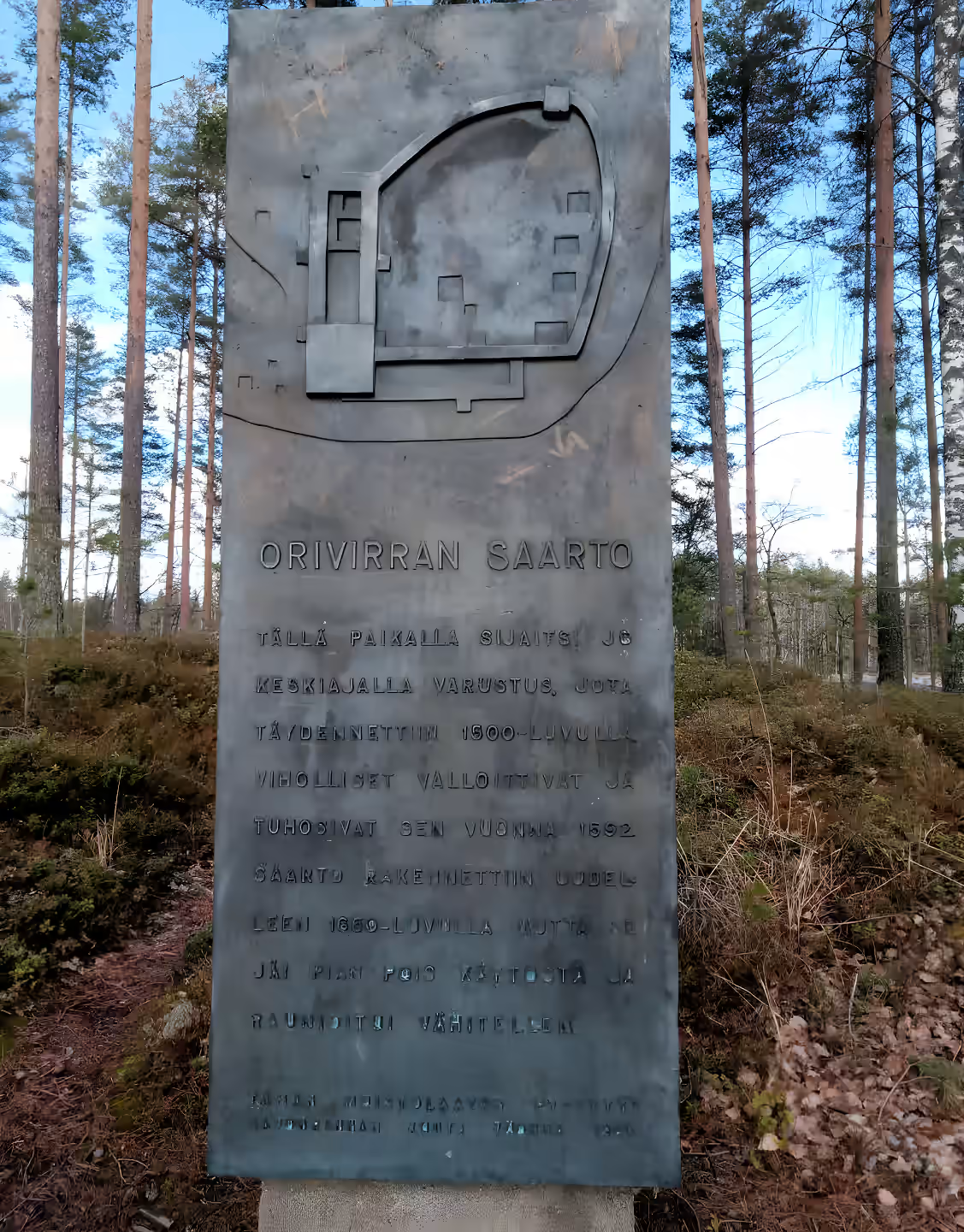
One of the most fascinating reminders of Savonranta’s early history is Orivirta Fortress, also known as Orivirran saarto.
The fortress was built around the middle of the 16th century, at a time when the borderlands between Sweden and Russia were frequently affected by conflict. Its location near an important waterway made it a strategic defensive position.
Orivirta served as an early warning post for Olavinlinna Castle in Savonlinna, helping to protect the surrounding region.
In 1592, Russian and Cossack forces attacked and destroyed the fortress. It was never fully restored.
Today, visitors can still discover traces of the former fortifications and a memorial recalling this turbulent chapter in local history.
The remains of Orivirta offer a fascinating glimpse into a time when Savonranta’s peaceful waterways were also routes of military importance.
From Farming to Forestry and Industry
Life on the Land and Water
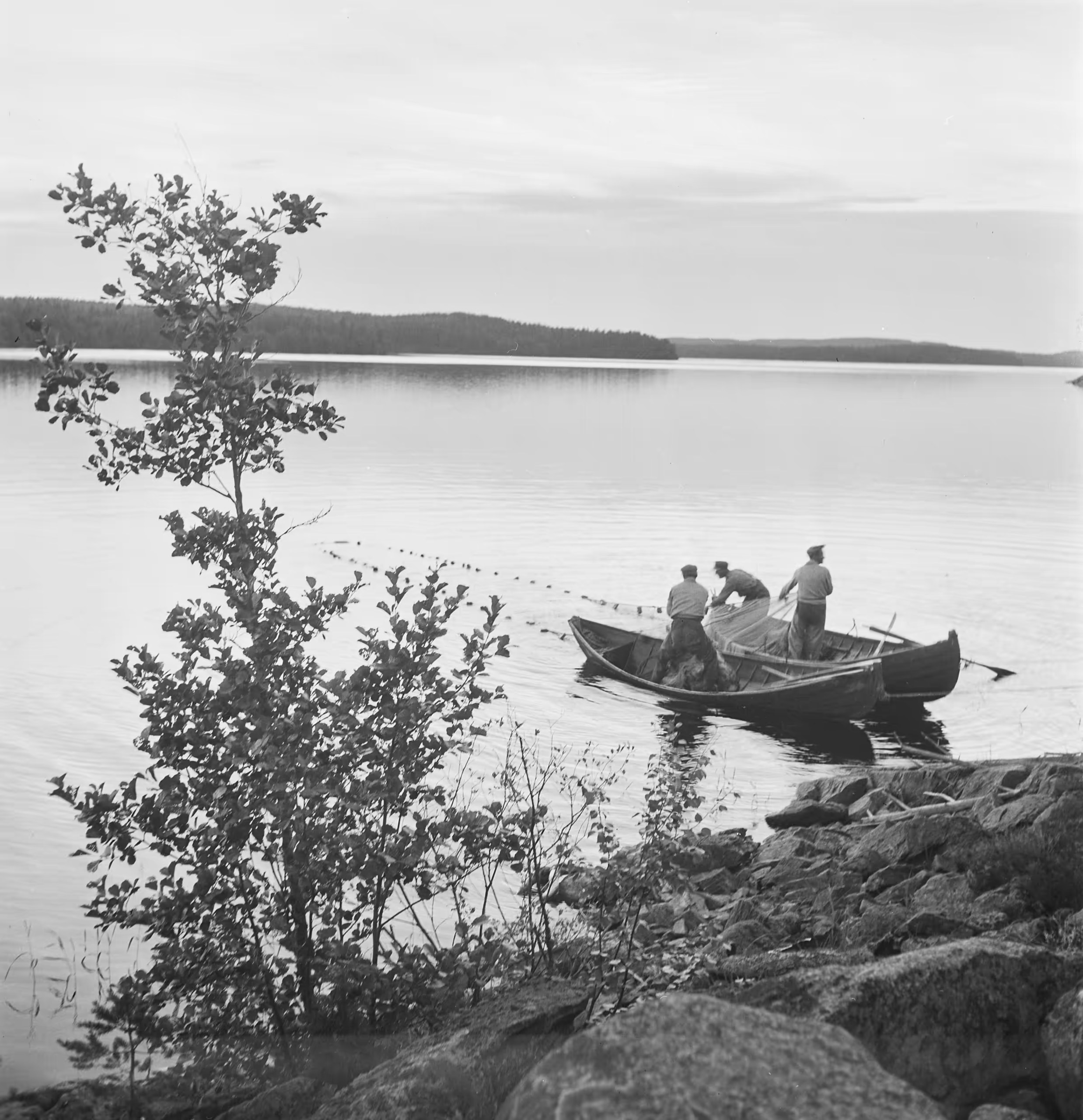
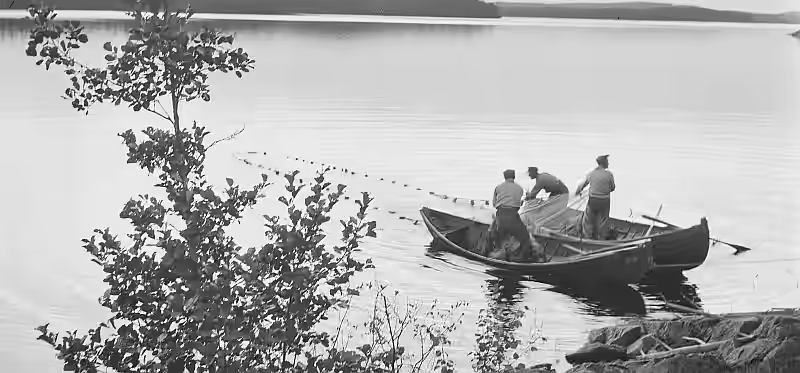
For generations, the people of Savonranta depended on the surrounding forests, lakes and farmland for their livelihoods.
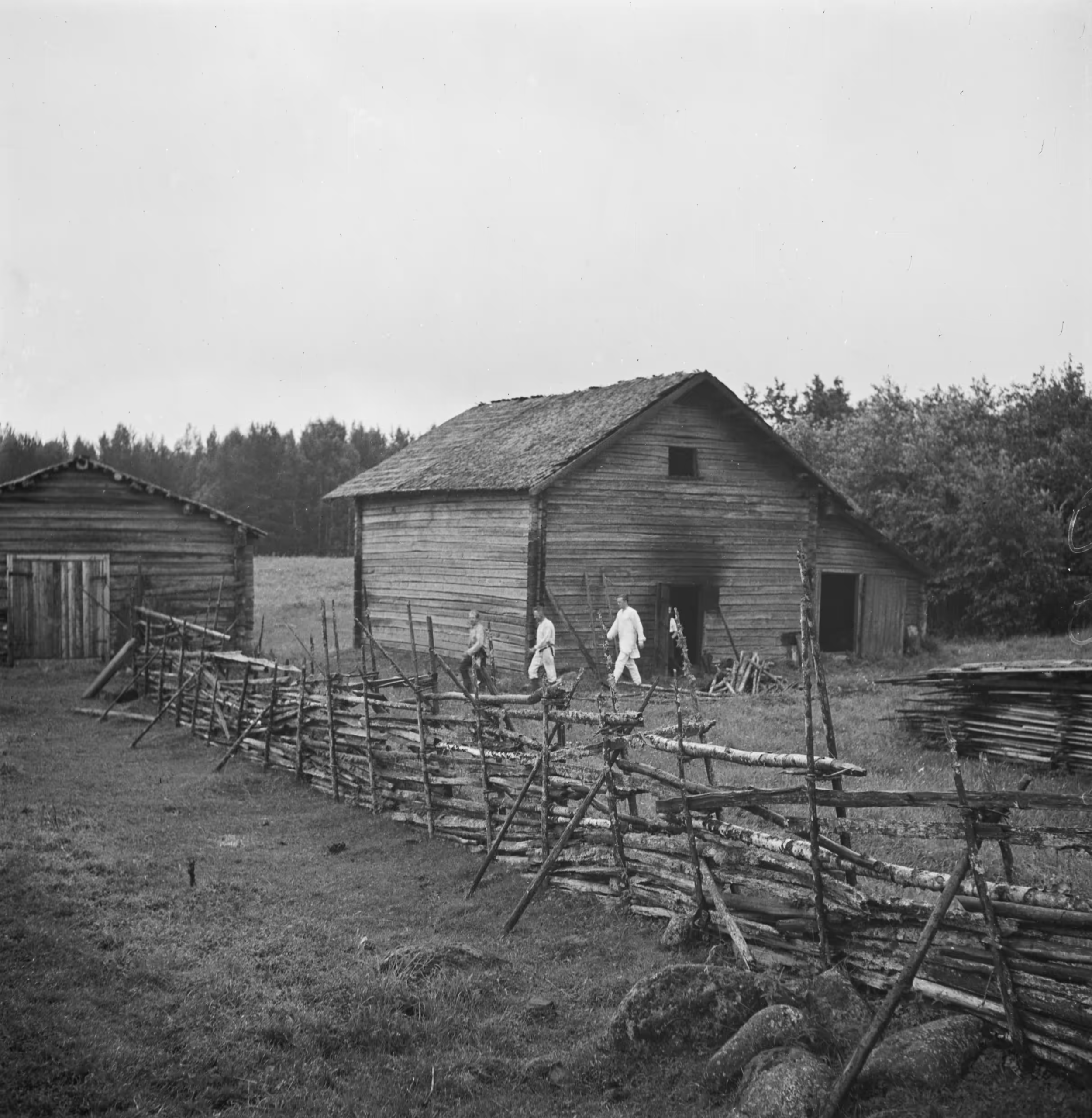
Small farms provided food for local families, while fishing and hunting helped supplement their income. Life followed the changing seasons, with long summer days devoted to farming and preparations for the demanding Finnish winter.
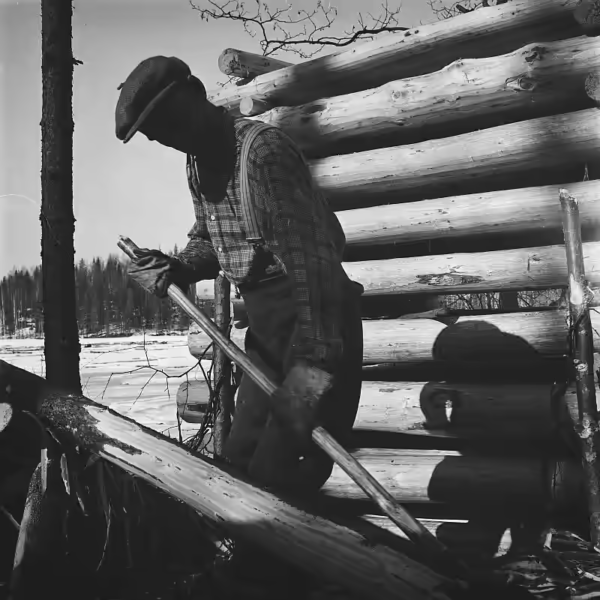
As forestry became increasingly important, timber provided new opportunities for employment and trade. The lakes and waterways played a vital role in transporting wood and connecting the region with other communities.
Monninsaari and the Timber Industry
The development of sawmills and the timber trade brought significant changes to Savonranta.
Monninsaari became closely associated with local industry and entrepreneurship. Its sawmill and other businesses contributed to the economic development of the surrounding area.
In 1894, Pekka Kansanen acquired Monninsaari Manor, together with the sawmill and mill. The property became part of a business that connected agriculture, forestry and local industry.
The history of Monninsaari illustrates how traditional rural livelihoods gradually developed into more organised commercial activities.
The Mills of Savonranta
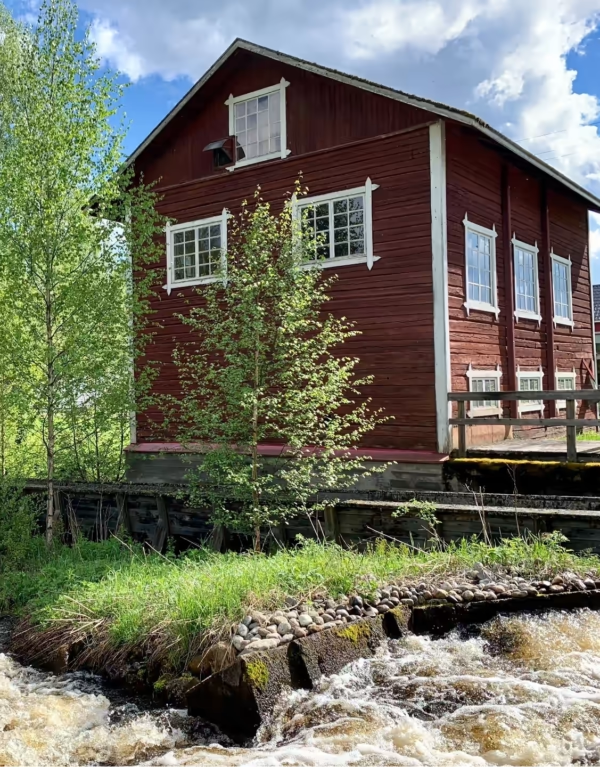
Mills were once essential to everyday life in Savonranta. Farmers brought their grain to be ground into flour, and the mills became important meeting places where people exchanged news and maintained social connections.
Two historic mills still preserve this part of the village’s heritage.
Vuokalan Mill has a history reaching back to the 1860s. Over the decades, milling technology developed from traditional methods to steam power and later hydroelectricity. The present mill building dates from 1937, and the mill was particularly busy during the 1950s.
Säimenen Mill also played an important role in the surrounding rural community. Milling took place at the site from the late 19th century, while the present building was constructed in 1937. The mill remained in operation until 1960.
Today, both mill museums offer visitors an opportunity to discover traditional machinery, rural working life and the importance of grain production to earlier generations.
The Arrival of Electricity
The early 20th century brought new technology and gradual changes to village life.
At Vuokalan Mill, water power was eventually used not only for milling grain but also for generating electricity. The mill’s small power station became part of Savonranta’s industrial heritage.
Although the power station ceased operating in 2020, the historic mill remains a reminder of how local natural resources helped bring modern technology to the community.
Together, the farms, forests, sawmills and mills tell the story of a village whose development was closely connected to the land and water surrounding it.
Village Life and Education
Everyday Life in a Rural Community
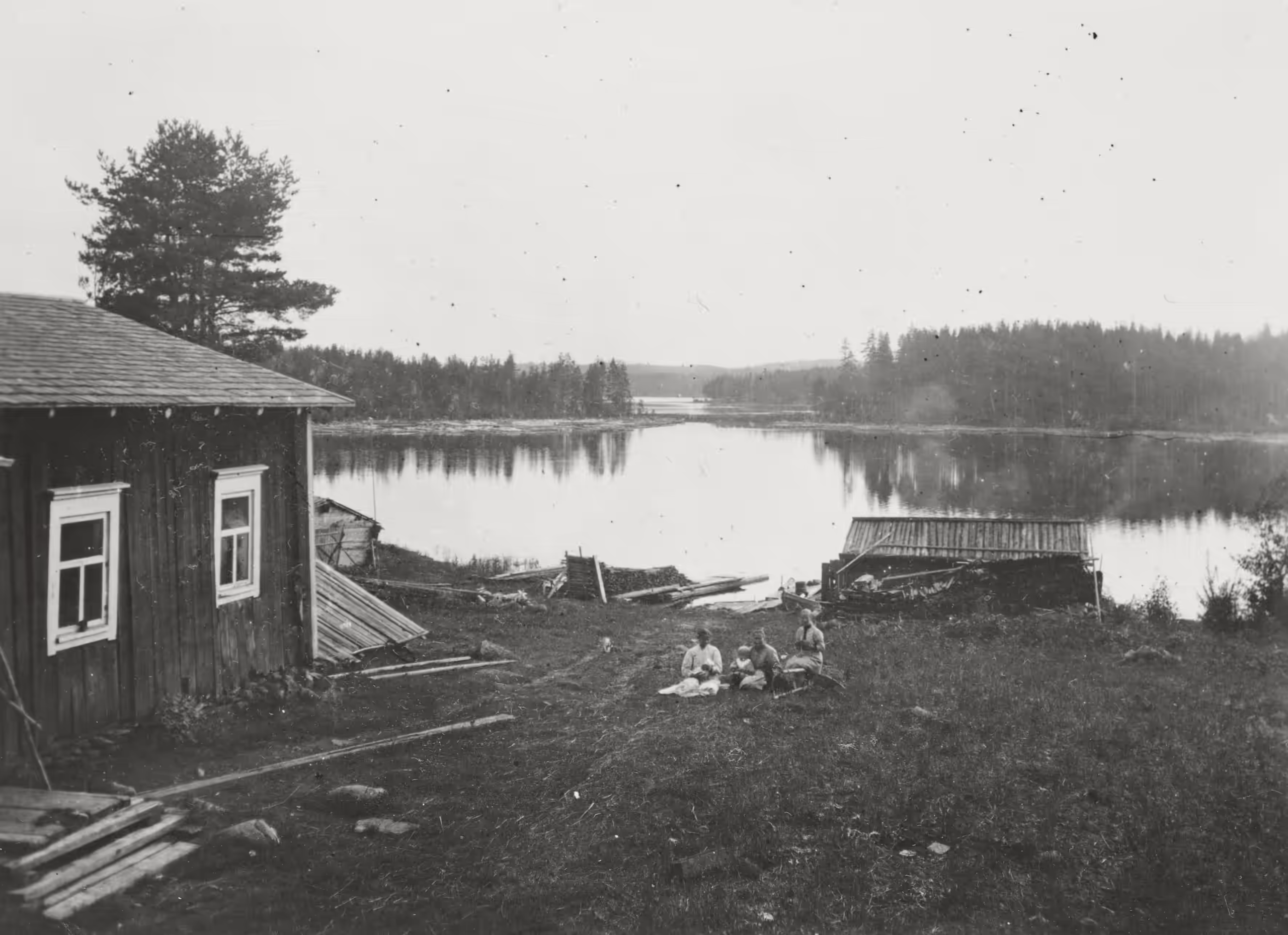
For generations, life in Savonranta revolved around family, work and the changing seasons. Small farms, fishing and forestry provided a living, while neighbours often depended on one another for help with everyday tasks.
Village life was shaped by practical traditions and a strong sense of community. People gathered at local mills, shops and other meeting places, exchanging news and maintaining connections across the scattered settlements.
The long Finnish winters brought their own challenges. Snow and ice affected travel and daily routines, while summer was a busy time for farming, fishing and preparing for the colder months ahead.
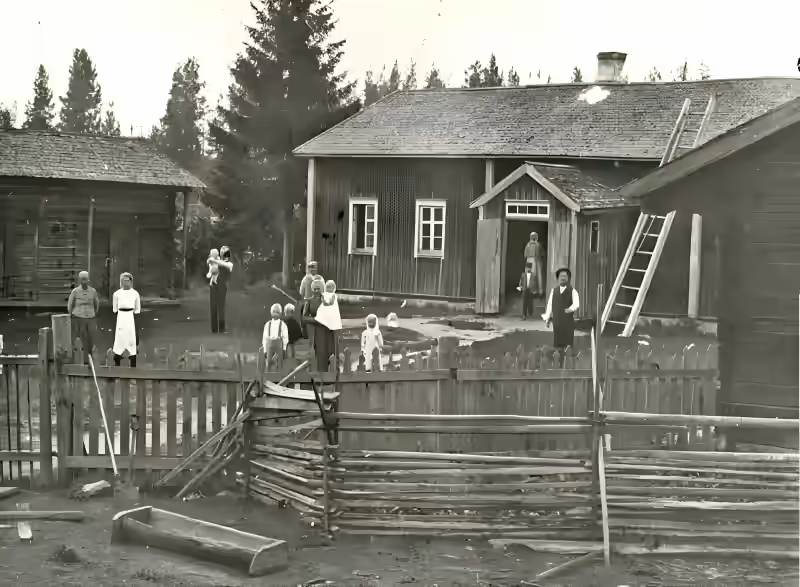
The Village Schools
Education became an important part of life in Savonranta, even though reaching school was not always easy for children living in remote areas.
Savonranta once had several small village schools, serving families across the municipality. These schools were more than places of learning: they were also important meeting points for local communities.
The National School District Decree of 1898 required rural communities to establish schools according to the number of children living in each district. At that time, Savonranta already had a school in Vuokala.
As education developed, more schools served the surrounding villages, including Hankavaara, Leivonmäki, Pitkämäki, Sönkkä, Oriniemi, Lapinlahti and Syvälahti.
For some children, attending school meant travelling considerable distances, particularly challenging during the snowy winter months.
A Community Built on Cooperation
Despite the distances between farms and villages, cooperation remained an important part of everyday life.
Shared activities, local associations and community gatherings helped bring people together. Many of these traditions continue in Savonranta today, where volunteering and local initiatives still play an important role in village life.
The history of Savonranta is therefore not only a story of buildings, industries and important events. It is also the story of ordinary people whose work, traditions and sense of community shaped the village over generations.
Savonranta in the 20th Century
A Village in Transition
During the 20th century, life in Savonranta gradually changed. Traditional farming, fishing and forestry remained important, but new technologies, improved transport and changing ways of life brought new opportunities and challenges.
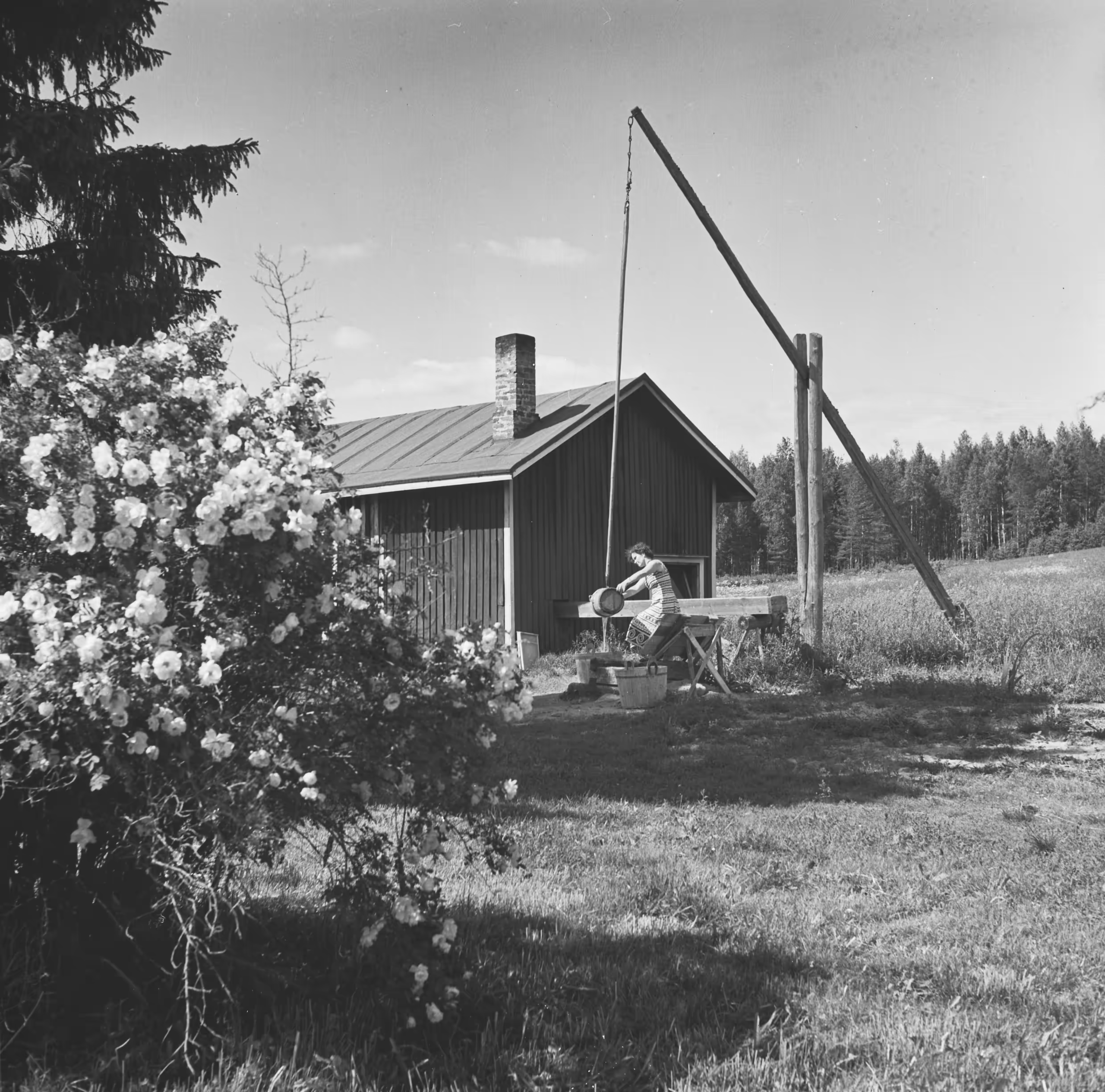
For many families, the early decades of the century were still shaped by hard physical work and the rhythm of the seasons. Over time, machinery and modern household conveniences began to make everyday tasks easier.
These changes transformed not only how people worked, but also how they lived and travelled.
Roads, Transport and Connections
For generations, Savonranta’s lakes and waterways had been essential routes for transporting people and goods.
As road connections improved, travelling between villages and reaching nearby towns gradually became easier. Motor vehicles increasingly replaced older forms of transport, although boats remained important in this lake-filled region.
Better connections helped residents reach shops, schools and services beyond their immediate communities.
At the same time, improved transport opened up new possibilities for visitors to discover the natural beauty of Savonranta and its surroundings.
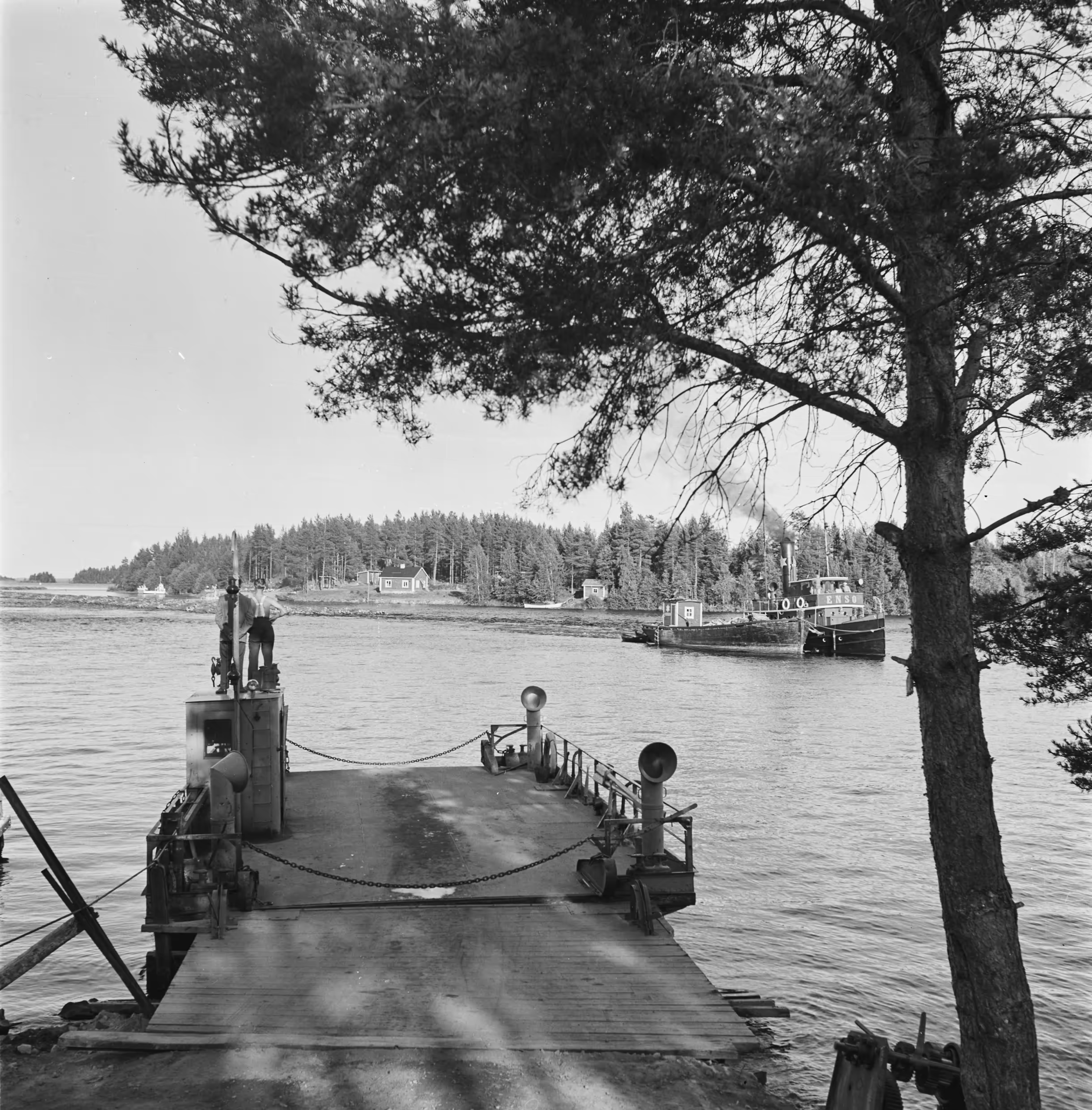
Changing Village Life
Like many rural communities in Finland, Savonranta experienced social and economic changes during the second half of the 20th century.
Mechanisation reduced the need for manual labour in agriculture and forestry. Some residents moved elsewhere to study or find employment, while those who remained adapted to new ways of working and living.
Local shops, schools and associations continued to play an important role in village life, bringing people together and helping maintain a sense of community.
Although the village changed, its close relationship with the surrounding lakes, forests and countryside remained.
The Growth of Tourism
As travel became easier and leisure time increased, the Finnish Lakeland region attracted growing numbers of holidaymakers.
Savonranta’s peaceful surroundings, clear lakes and extensive forests offered visitors opportunities for fishing, boating, swimming and spending time in nature.
Summer cottages and holiday accommodation became part of the local economy, while the traditional Finnish sauna and lakeside lifestyle remained central to the region’s appeal.
Tourism provided a new way for Savonranta to share the natural environment and rural traditions that had shaped the village for generations.
Savonranta Today
A Changing Population
Like many rural communities in Finland, Savonranta has experienced a substantial decline in population over the decades.
The decline was particularly dramatic between 1965 and 1975, when Savonranta lost 33.7% of its residents. By 1999, the municipality had 1,368 inhabitants, falling to 1,155 by the end of 2008, shortly before its merger with Savonlinna.
Today, the village and its surrounding area are estimated to have around 700 residents. Although historical municipal boundaries and present-day population estimates are not necessarily directly comparable, the figures illustrate the considerable demographic changes experienced by the community.
Limited local employment opportunities and the lack of further education facilities have encouraged many young people to move to larger towns and cities to study or find work. Not everyone has been able to return, contributing to an ageing population and a gradual reduction in the number of permanent residents.
These demographic changes have affected village life, local services and the future of the community.
Becoming Part of Savonlinna
Until the end of 2008, Savonranta was an independent municipality. On 1 January 2009, it became part of the municipality of Savonlinna.
Although this marked the end of Savonranta’s administrative independence, the village retained its own identity, traditions and strong connection to the surrounding countryside.
For local residents, Savonranta remains much more than a place on the map. It is a community with its own history and character.
Keeping the Village Alive
Despite the challenges of a declining and ageing population, community spirit remains an important part of life in Savonranta.
Local associations, volunteers and active residents help organise events, preserve traditions and support community activities. Their efforts contribute to keeping the village welcoming and connected.
Savonranta’s natural surroundings also continue to attract summer residents and visitors. During the warmer months, holiday cottages and outdoor activities bring additional life to the area.
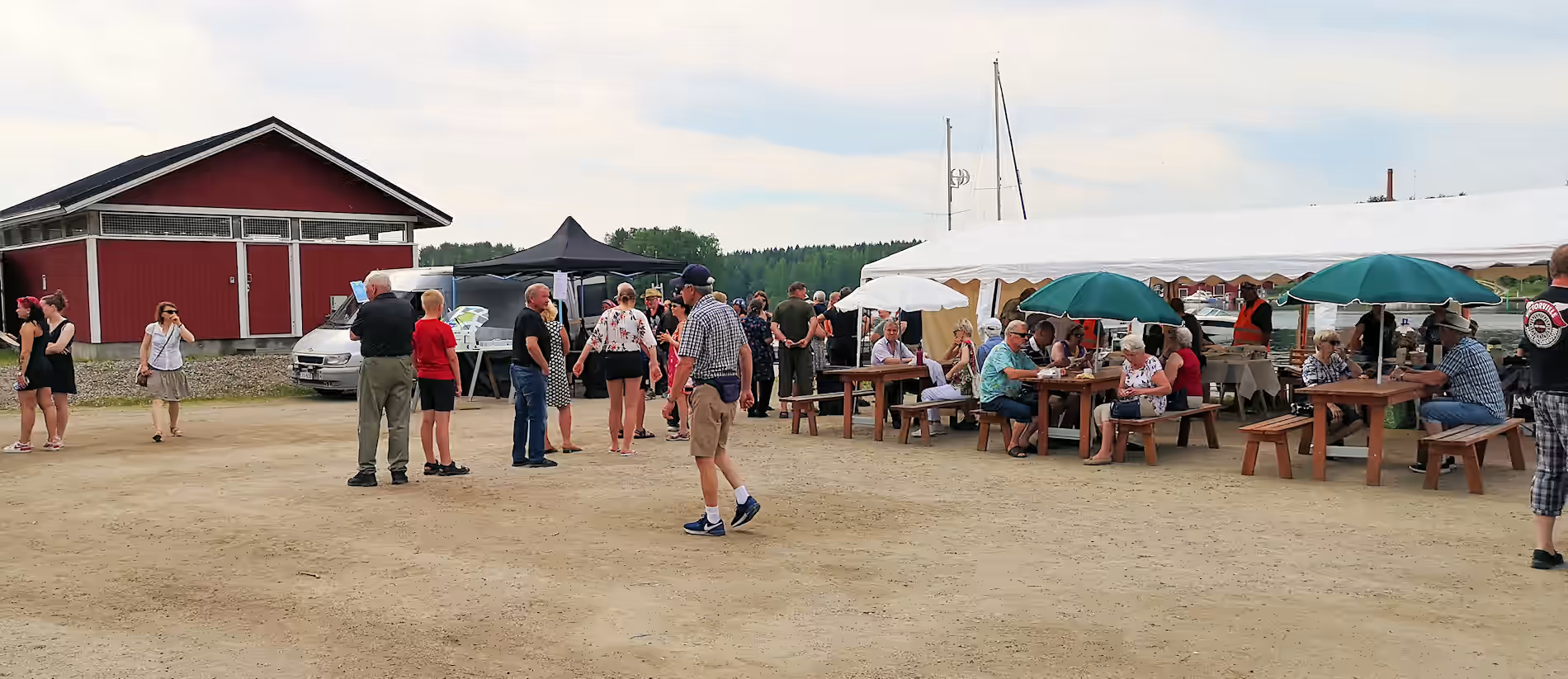
Savonranta Day (Savonranta-päivä) – an annual celebration bringing together local residents, summer visitors and friends of the village.
A Village with a Future
Savonranta has changed considerably over the centuries, but its lakes, forests and peaceful surroundings remain an essential part of its character.
The challenge for the future is to preserve local services, encourage new opportunities and maintain a lively community for both present and future generations.
The story of Savonranta is still being written — by the people who live here, those who return each summer and everyone who cares about this special corner of Finnish Lakeland.
Savonranta Through the Years
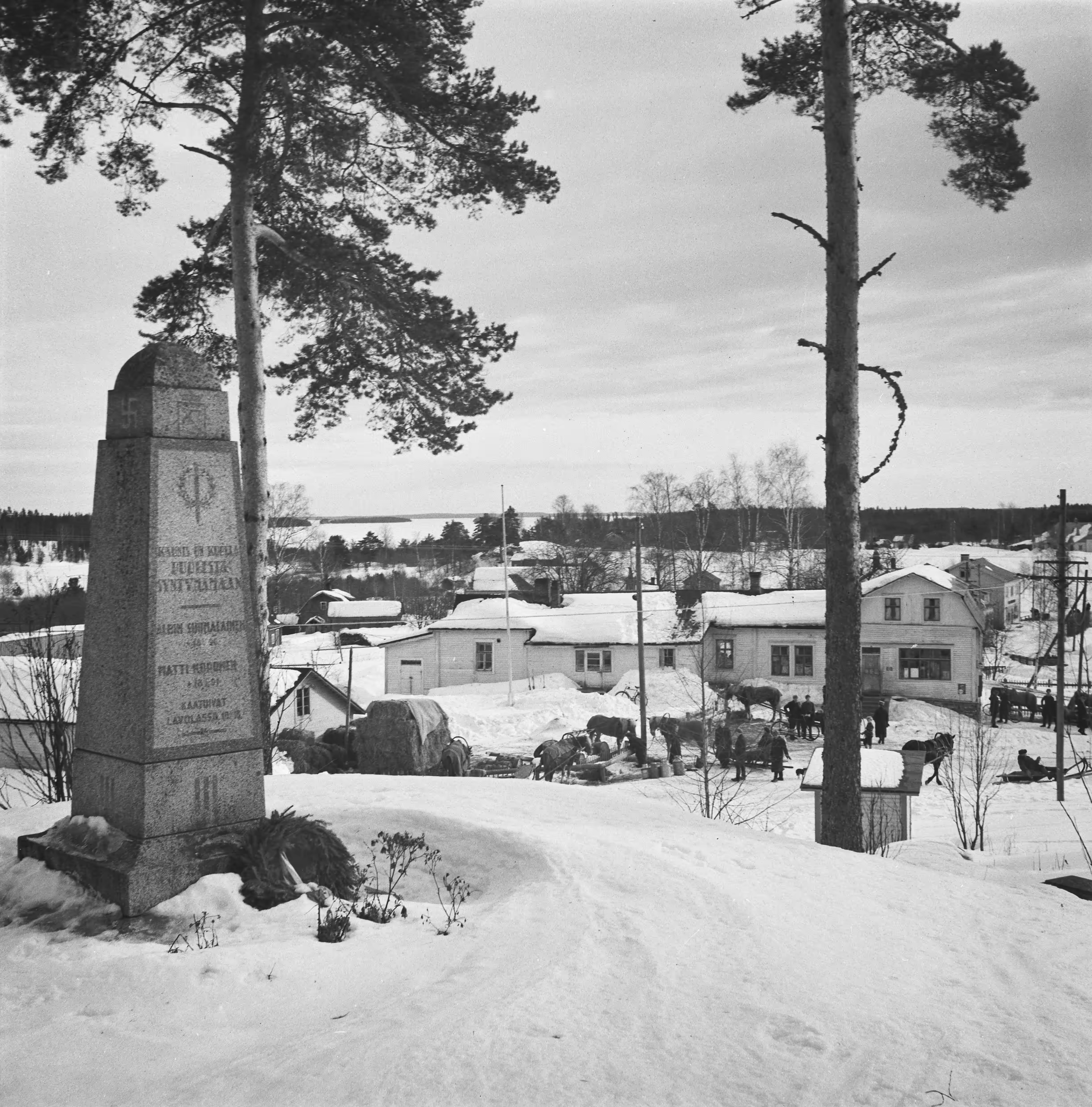
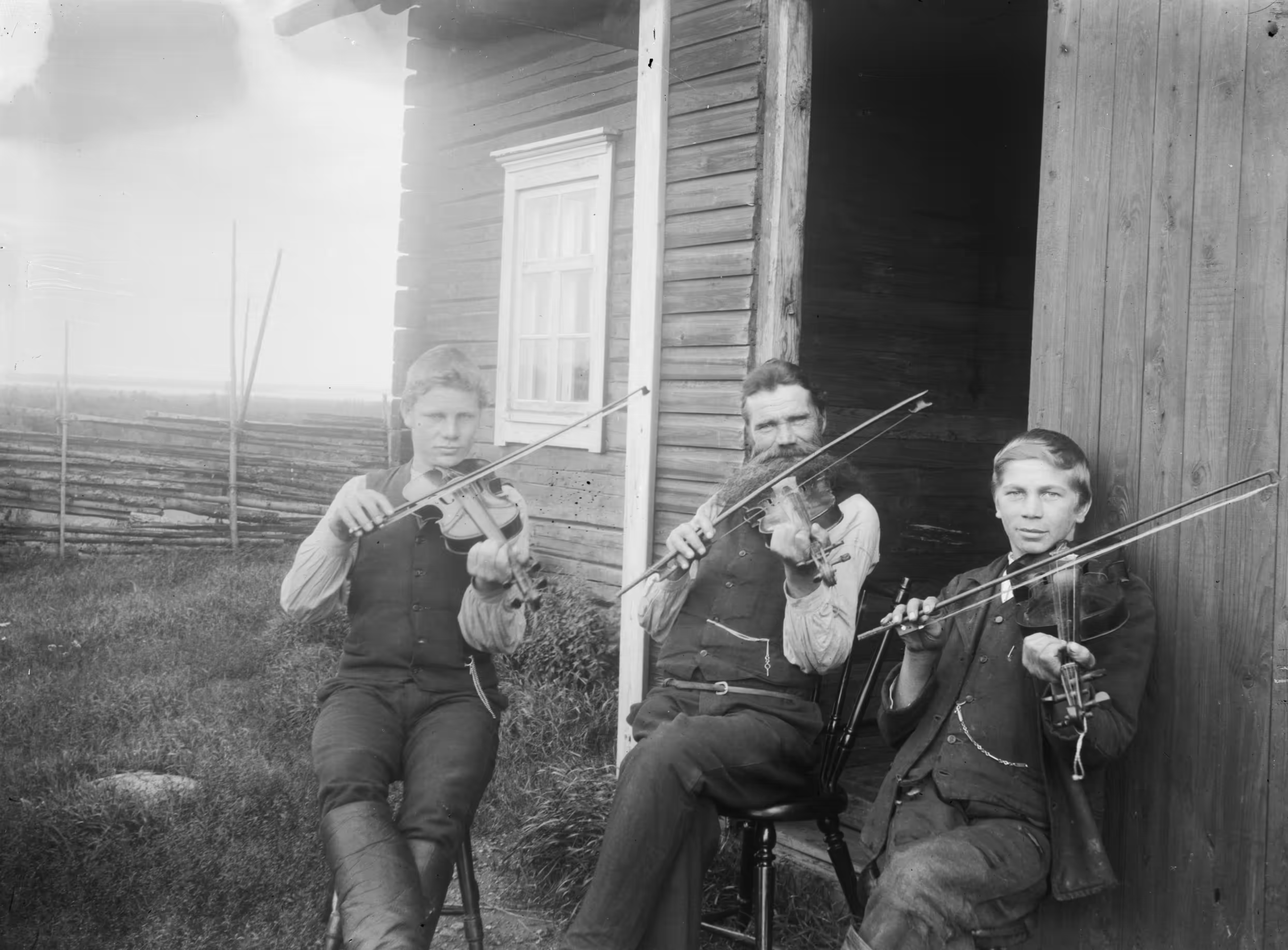
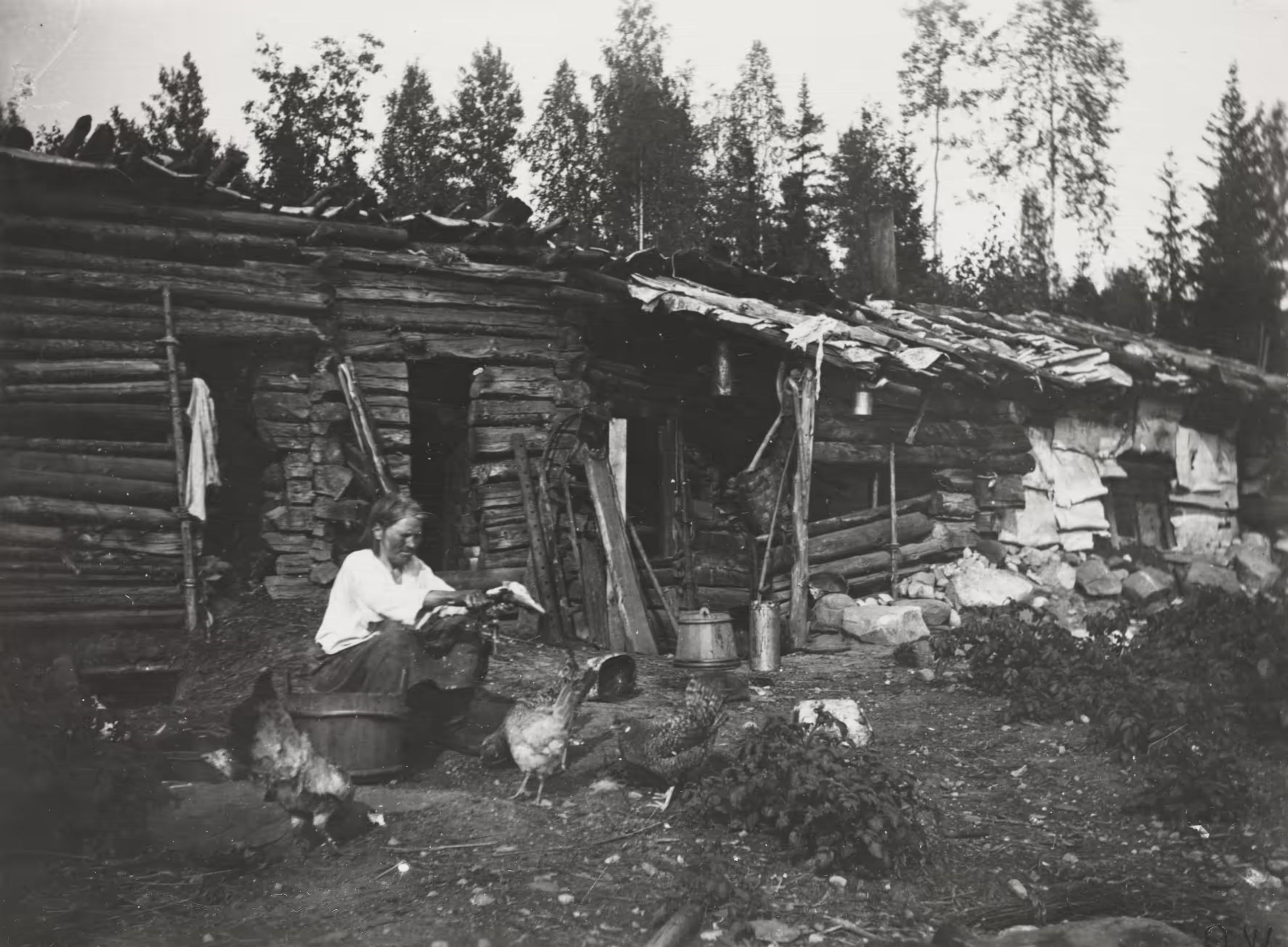
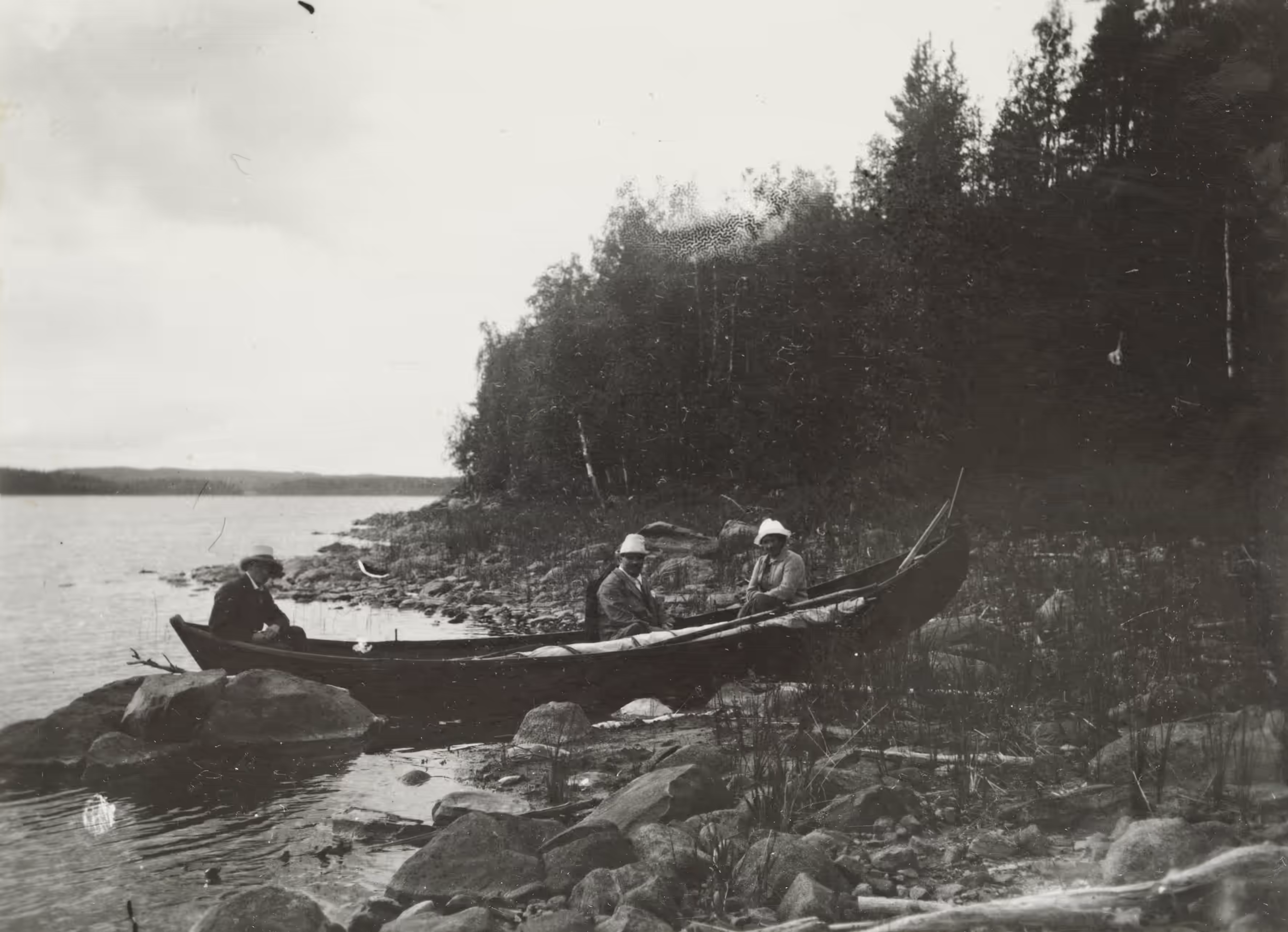
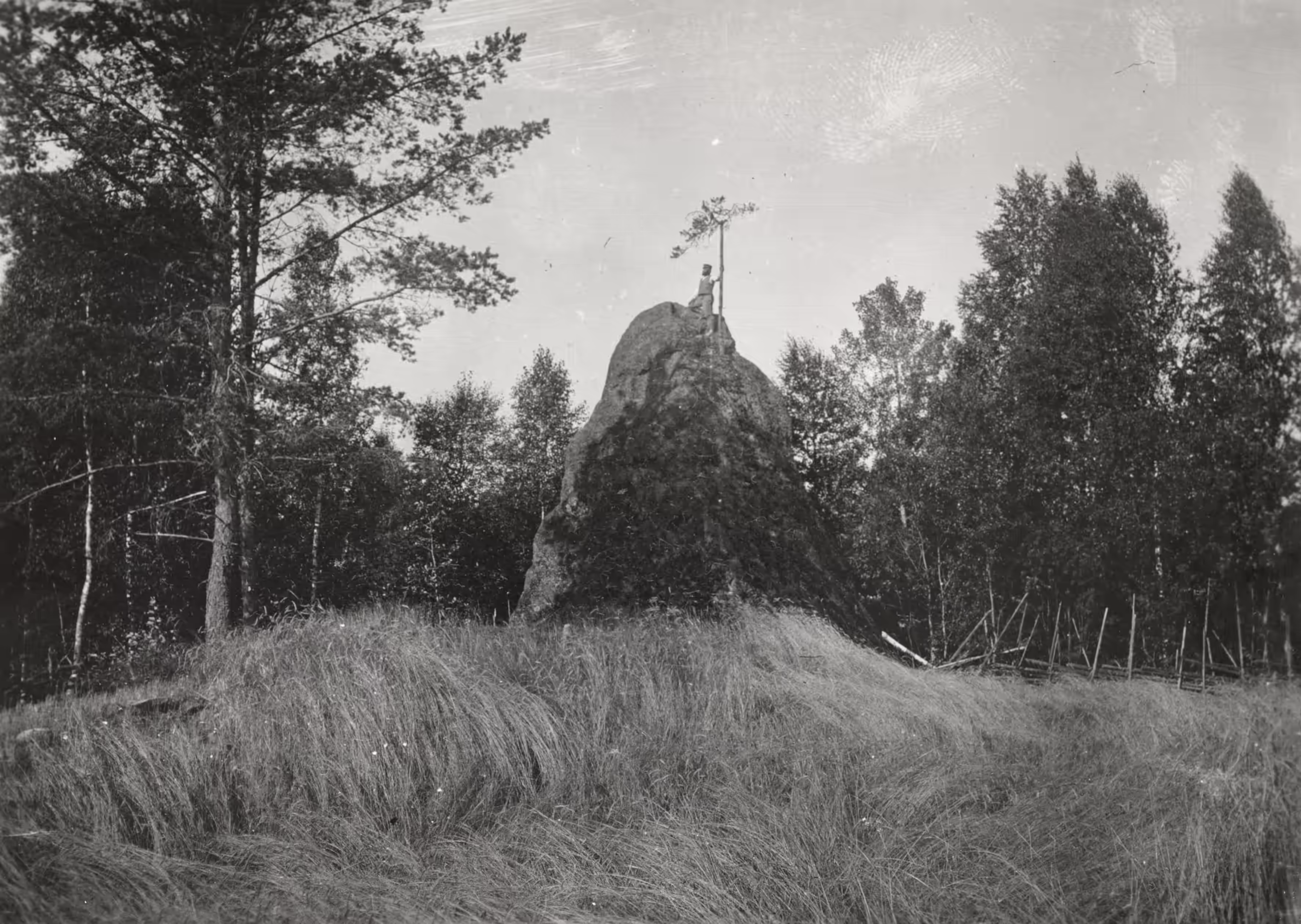
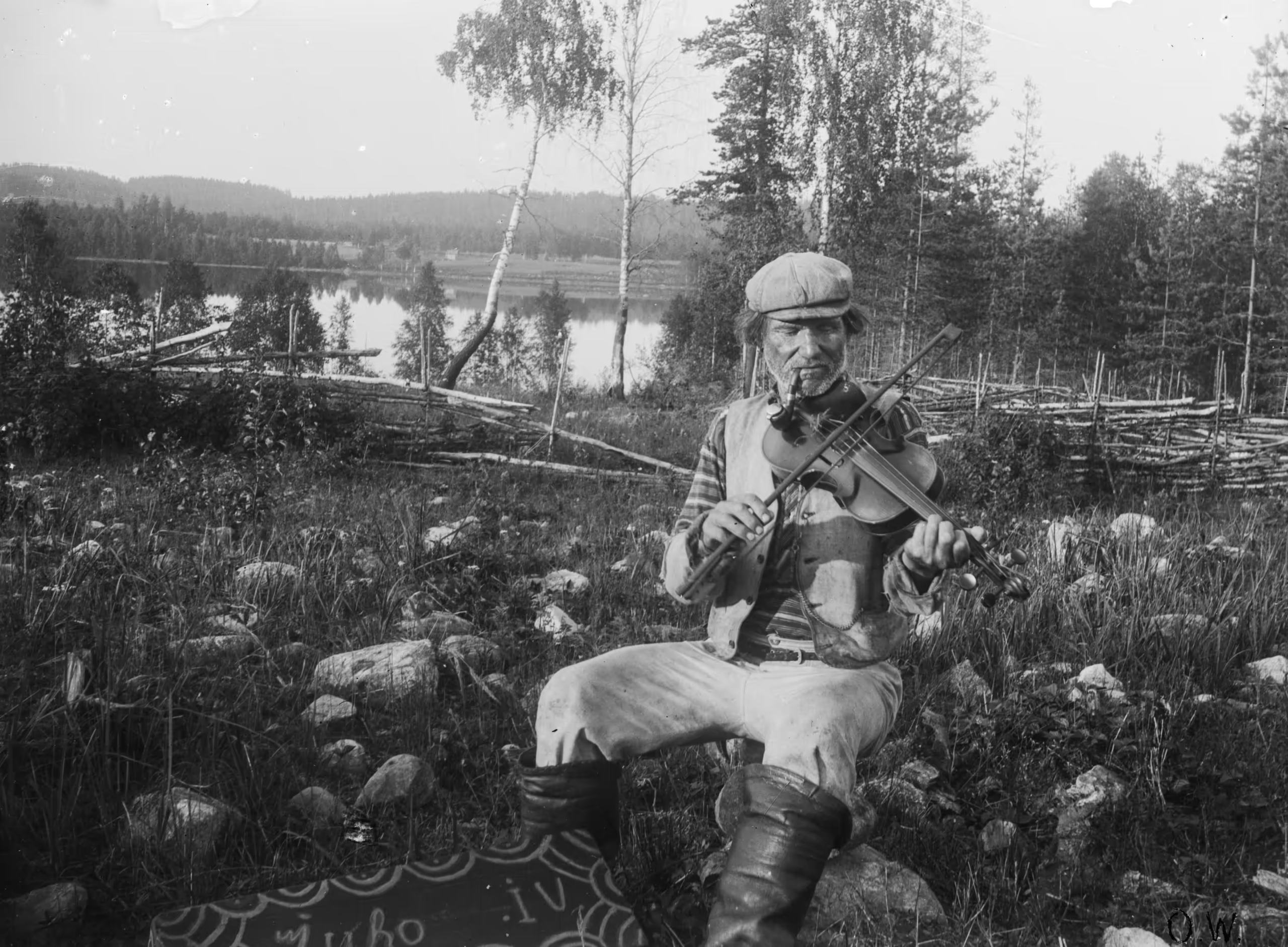
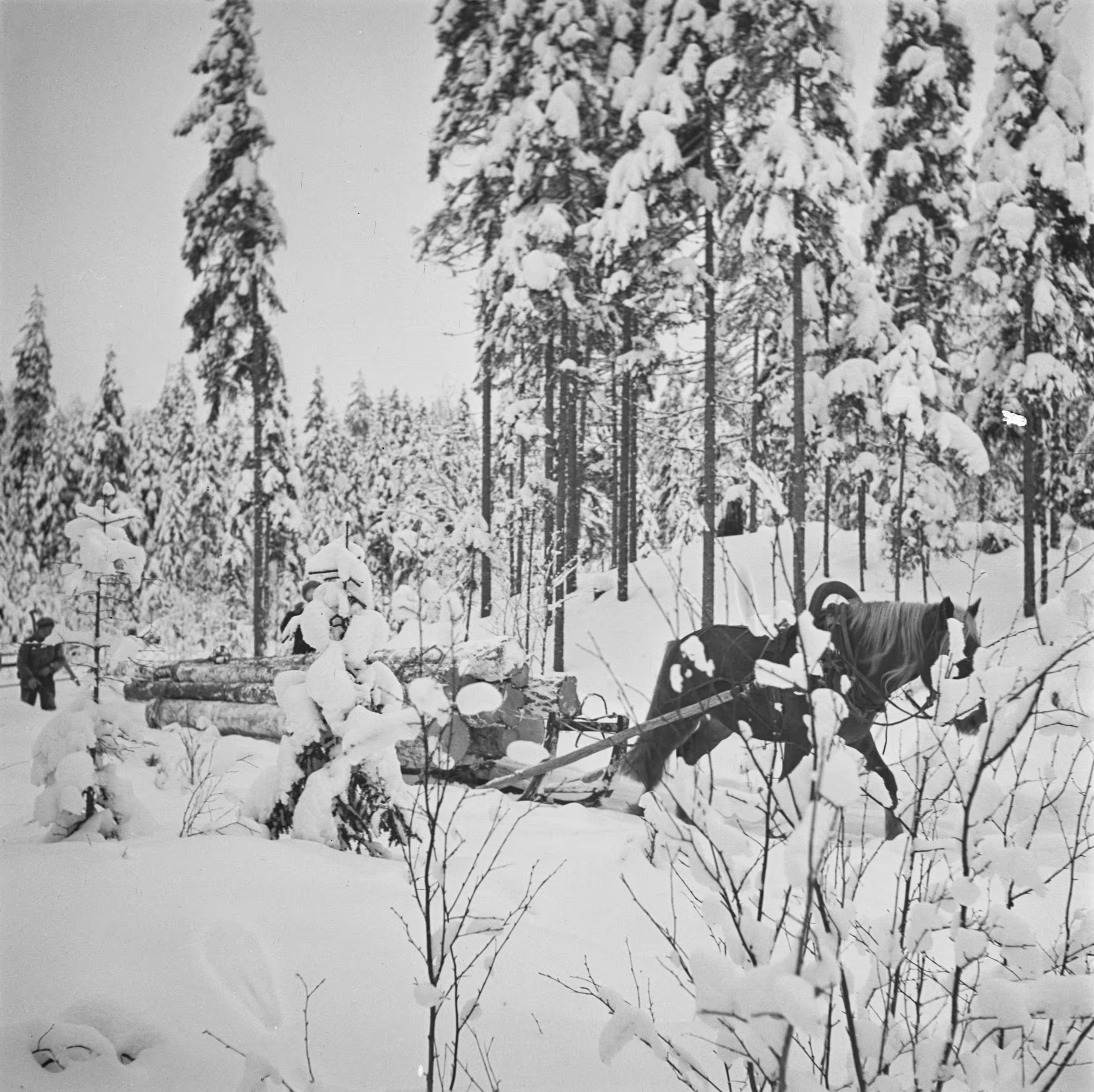
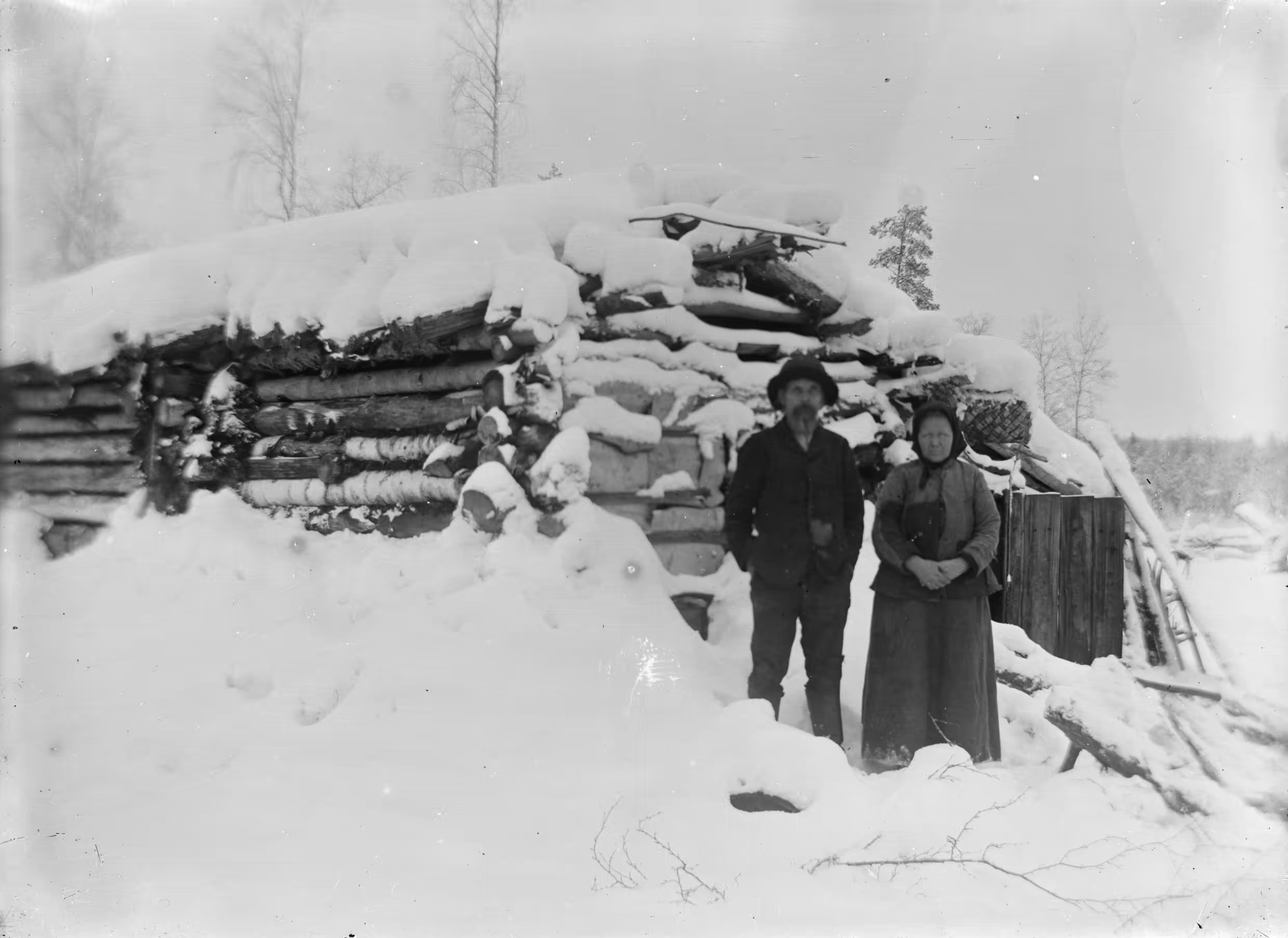
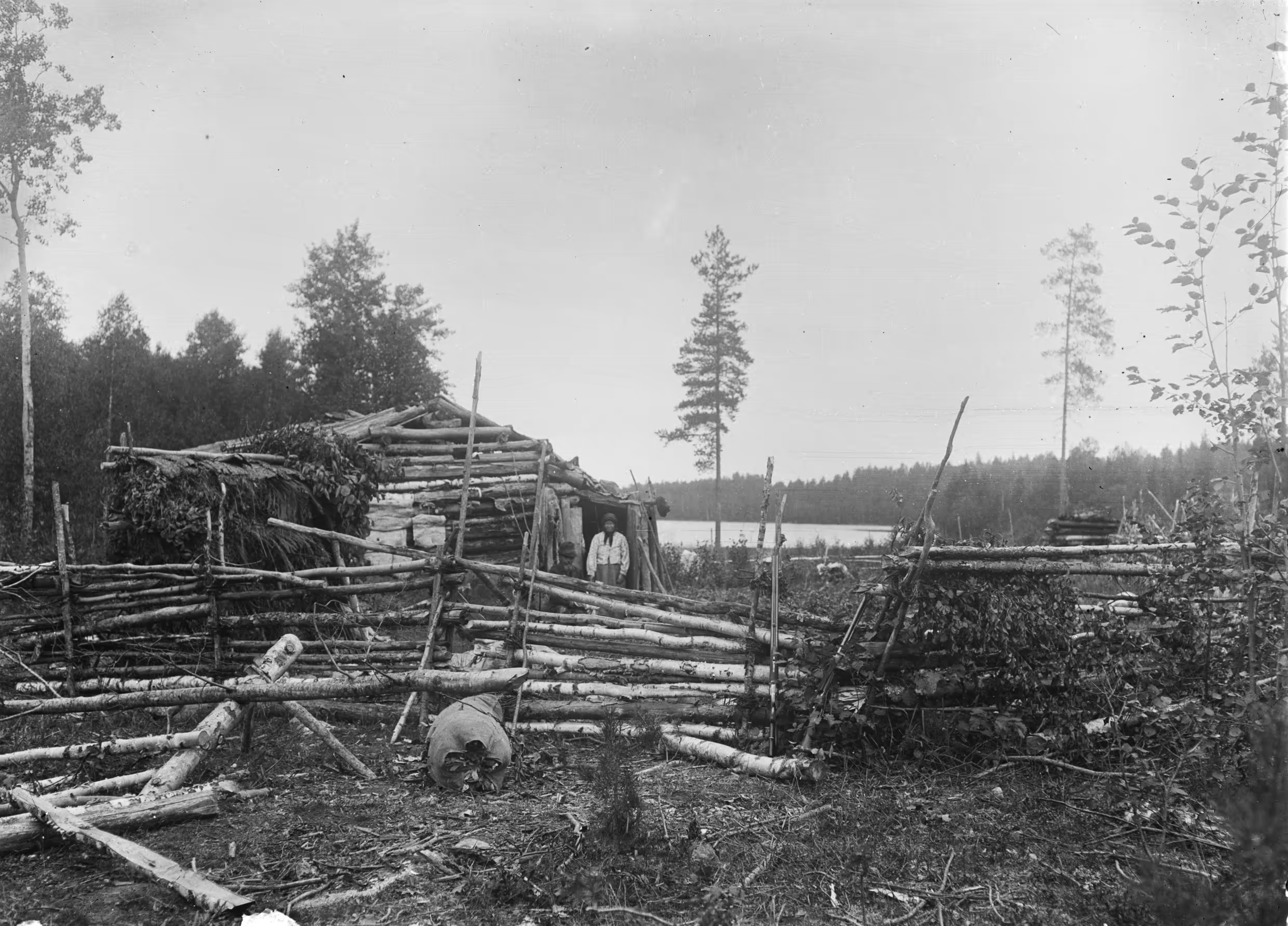
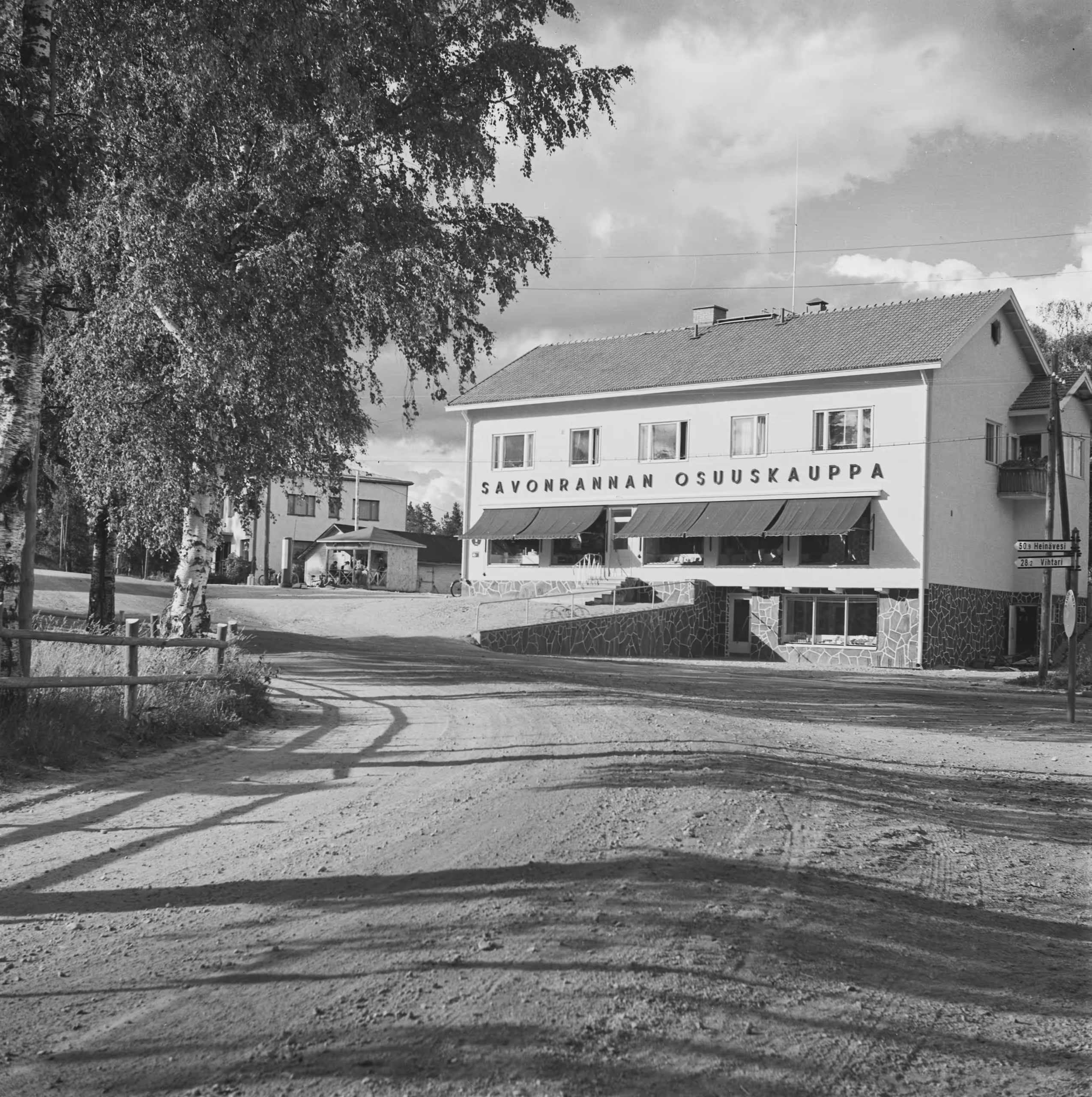
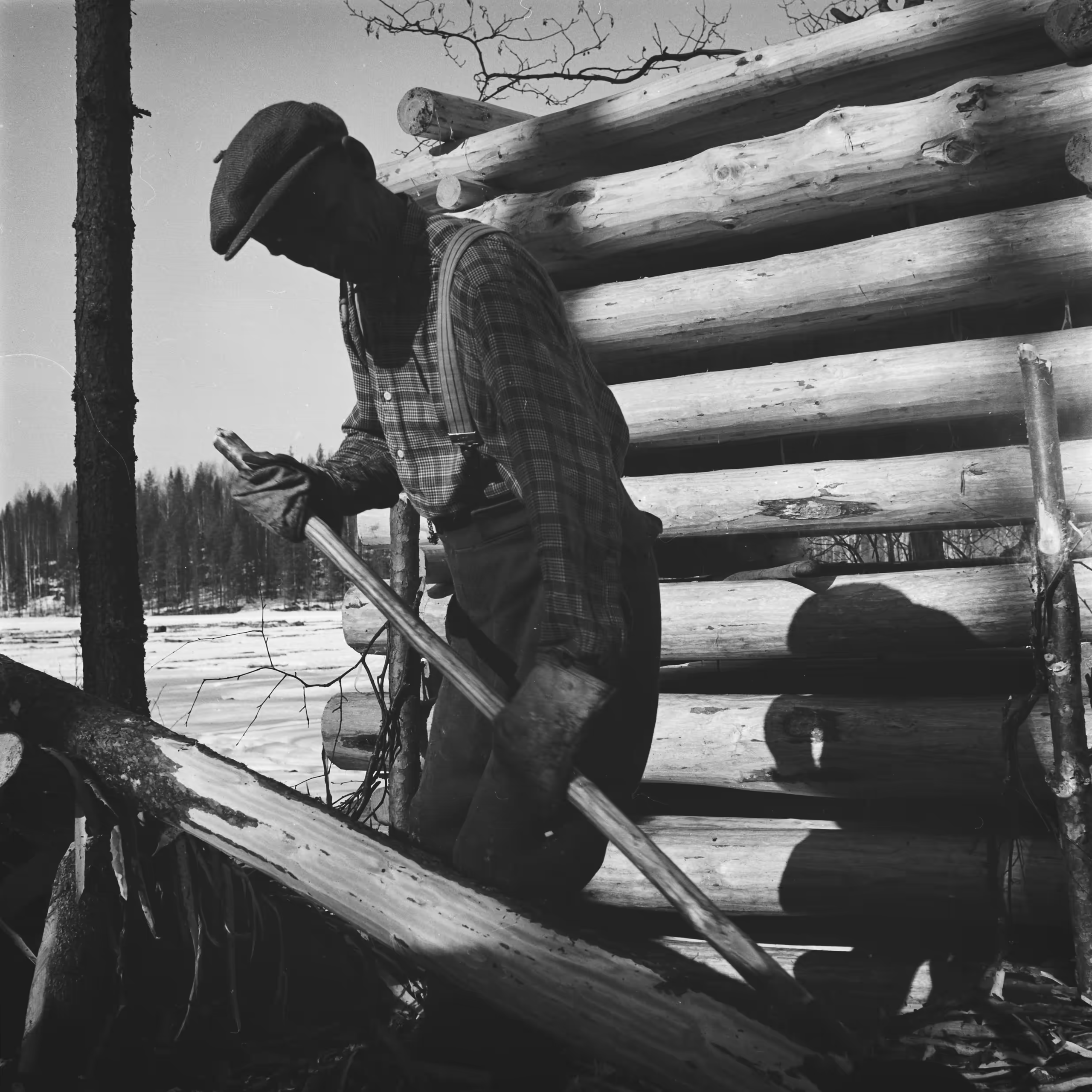
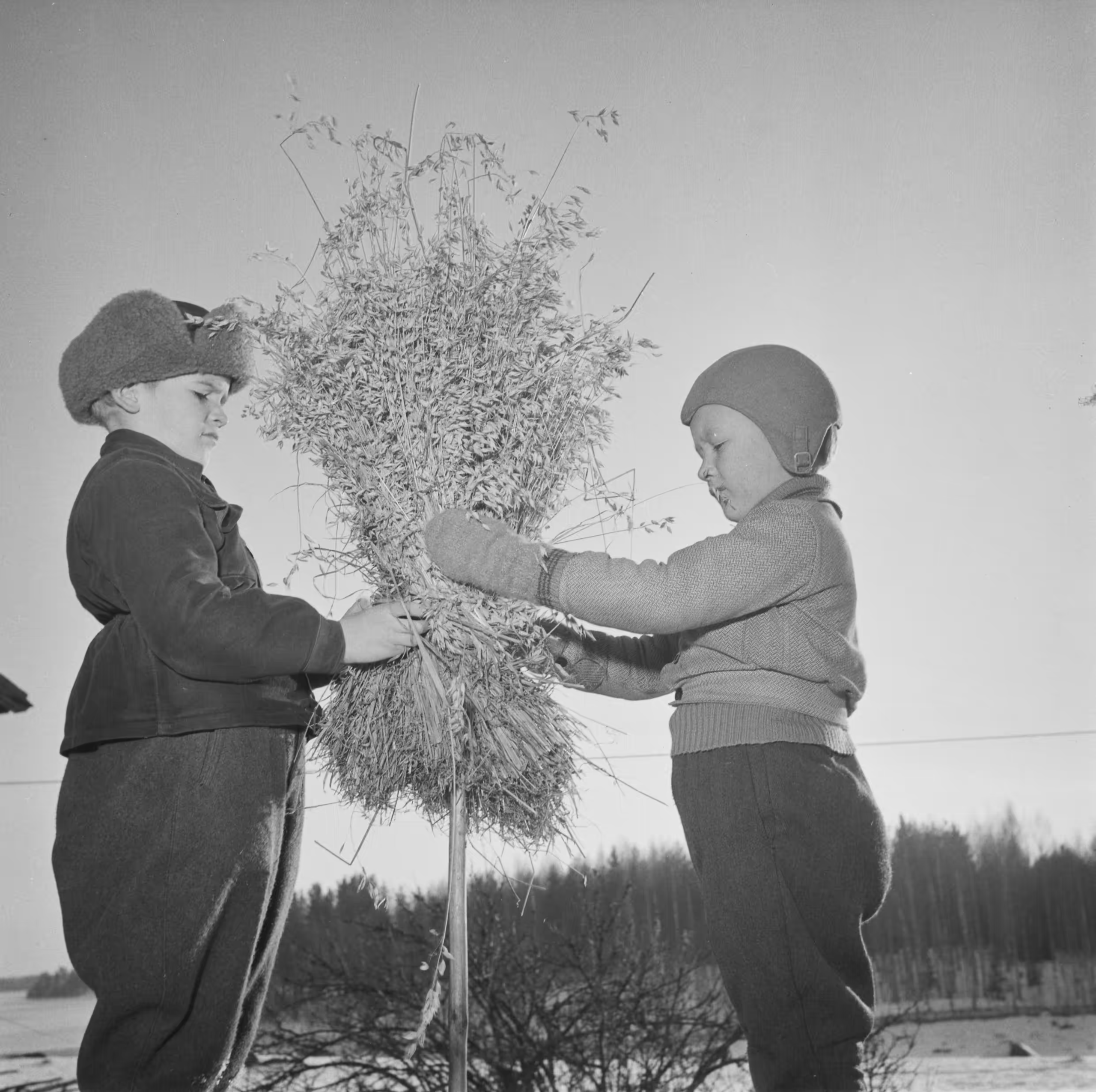
Take a journey back in time with 18 historic photographs of Savonranta. Discover village life as it once was, from traditional livelihoods and everyday activities to familiar places and landscapes that have changed over the decades.
Each photograph tells a small part of Savonranta’s history, preserving memories of the people and places that shaped the village.
 Click on the play button below, to start the slideshow.
Take a journey through time with 18 historical photographs of Savonranta.
Photographs by
Armas Otto Väisänen and
Pekka Kyytinen.